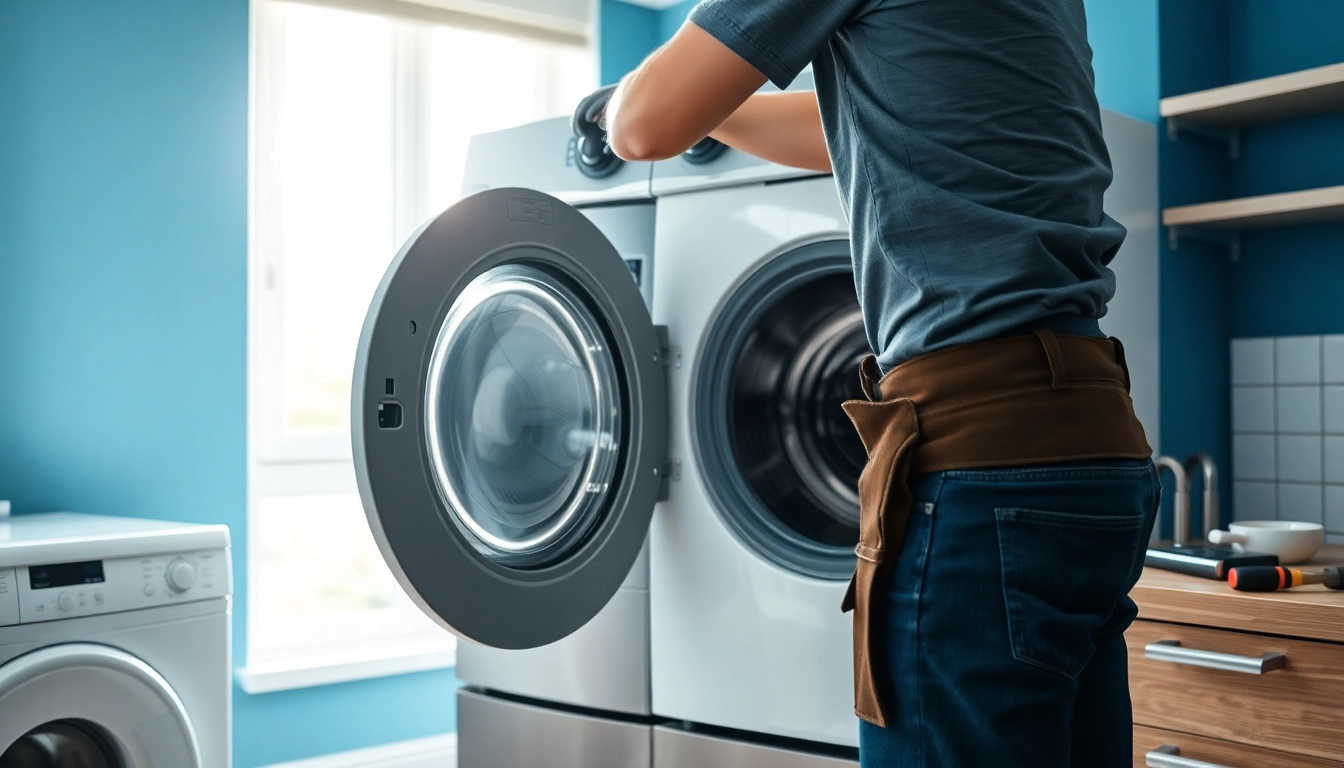
Common Washing Machine Problems and Their Causes
Identifying Noisy Operations
Noisy operations in washing machines can manifest in various ways, from rattling and thumping to grinding and squeaking. Each noise can indicate different underlying problems. For example, a thumping noise often results from an unbalanced load or uneven leveling of the washing machine. On the other hand, grinding or squeaking sounds could suggest that parts such as the drum bearings or motor couplings are worn or malfunctioning.
Before diving into repairs, take a moment to assess the severity of the noises. If the noises are mild and only occur intermittently, they may not warrant immediate action. However, if they persist or worsen, it’s crucial to investigate further. Take note of when the noise occurs in the wash cycle, as this can help you pinpoint the problem and efficiently fix washing machine.
Dealing With Water Leaks
Water leaks from washing machines can lead to significant water damage if not addressed promptly. Common causes include faulty door seals, loose hose connections, or damaged drain pumps. When dealing with a leak, it's vital to first identify the source.
Start by examining the door seal. If it appears cracked or worn, it may need replacement. Next, check hose connections at the back of the machine; ensure they are tight and that there are no visible cracks. If the floor beneath the machine is wet, you might have a failing drain pump. In such cases, replacing or repairing the pump will usually solve the leak issue.
Understanding Drainage Issues
Drainage problems can manifest as slow draining or complete failure to drain. Common culprits include clogged hoses, a malfunctioning pump, or a blocked drain filter. To resolve drainage issues, start with checking the drain hose for kinks or clogs. Pull the hose out carefully and inspect for accumulated debris.
If the hose is clear, the next step is to check the drain filter. This can usually be accessed at the front or bottom of the machine. Remove the filter, clean it, and replace it securely. If drainage problems persist, the pump itself might need inspection or replacement.
Step-by-Step Guide to Fix Washing Machine
Preparing for Repairs: Tools You Need
Before beginning any repairs on your washing machine, having the right tools will streamline the process and ensure safety. Essential tools typically include:
- Screwdrivers (flathead and Phillips)
- Pliers
- Wrenches
- Multimeter (for electrical testing)
- Bucket and towels (for water leaks)
- Vacuum (for removing debris)
Having these tools on hand allows you to quickly tackle common issues, from removing panels to securely fixing loose components.
Safety Precautions to Consider
Safety should always come first during repairs. Here are key precautions to keep in mind:
- Always disconnect the power supply before starting repairs.
- Turn off the water supply if you're dealing with leaks or hose issues.
- Wear safety goggles and gloves to protect against sharp edges and electrical hazards.
- Be mindful of the weight of parts you're working with to avoid injuries.
Following these safety tips minimizes the risk of accidents and ensures that repairs are conducted in a safe environment.
Performing Basic Troubleshooting
Before diving into complex repairs, basic troubleshooting is a must. Here’s a straightforward approach:
- Check all connections and hoses for wear and tear.
- Run a quick test cycle without laundry to identify noise issues.
- Inspect the filter and drain pump for any visible clogs.
- Monitor the machine during a full cycle to observe performance.
This systematic approach helps isolate issues and can often resolve minor problems without the need for extensive repairs.
When to Call a Professional for Washing Machine Repair
Understanding Complex Problems
While DIY repairs can save time and money, some issues are best left to professionals. Complex electrical problems, for instance, often require specialized knowledge and tools. If you notice signs such as persistent leaks, failure to start, or error codes that don't resolve, it may be wise to consult a technician.
Additionally, internal components like the motor or control board can be challenging to access and repair safely without proper experience.
Evaluating Cost vs. DIY Fixes
Before deciding to repair or replace, consider the costs involved. If a repair is significantly less than purchasing a new washing machine and the machine is relatively new, it’s likely worth fixing. Conversely, if the repairs exceed half the cost of a new unit, it may be time to invest in a replacement.
Keep in mind the age and performance of your current machine; maintenance can prolong its life, but at some point, frequent repairs may indicate the need for a new appliance.
Finding Credible Service Technicians
When the time comes to consult a professional, finding a reputable technician is crucial. Start by asking for recommendations from friends and family. Online reviews and ratings can also guide your choice. Make sure to verify that the technician is licensed, insured, and has experience with your specific model.
Once you’ve shortlisted potential technicians, ask for a detailed quote outlining the necessary repairs and expected costs. This transparency helps ensure you won’t be hit with hidden fees after the service.
Maintenance Tips to Prevent Future Issues
Regular Cleaning of Your Machine
Just like any appliance, your laundry machine requires regular cleaning to maintain peak performance. Start by routinely cleaning the detergent drawer and door seal, as residue tends to build up over time.
Running a maintenance wash—usually at the hottest setting without laundry—can help eliminate grime and odors that accumulate inside the drum. Include vinegar or a commercial washing machine cleaner for best results.
Checking Hoses and Connections
Inspect hoses every few months for signs of wear or leaks. Make sure they are securely attached and not kinked or bent. Replacing old hoses can help prevent future flooding issues—this small step can save you from major damage down the line.
For added peace of mind, consider investing in stainless steel braided hoses instead of rubber; they offer increased durability and resistance to bursting.
Optimizing Detergent Usage
Using the appropriate amount of detergent can improve your machine’s efficiency and prevent issues related to oversudsing, such as drainage problems. Always refer to the manufacturer’s guidelines for recommendations based on load size and soil level. Too much detergent can lead to residue buildup that negatively impacts the machine’s performance.
Moreover, using high-efficiency (HE) detergent in HE washers is crucial for optimal cleaning and machine health.
FAQs About Fix Washing Machine
What are the signs my washing machine needs fixing?
Look for loud noises, leaks, or issues with spinning and draining as key signs your washing machine may need repair.
Can I fix washing machine issues myself?
Many minor issues can be handled at home, like cleaning filters or checking hoses. However, some problems require professional help.
How long does a washing machine usually last?
Typically, machines last about 10-15 years, but maintenance can extend their life significantly.
What common tools do I need to fix washing machine?
Essential tools include screwdrivers, pliers, wrenches, and sometimes multimeters for electrical tests.
Why is my washing machine shaking during a cycle?
This can result from an unbalanced load, improperly installed feet, or worn-out suspension parts. Check these before attempting repairs.