The Evolution of Fashion and Apparel
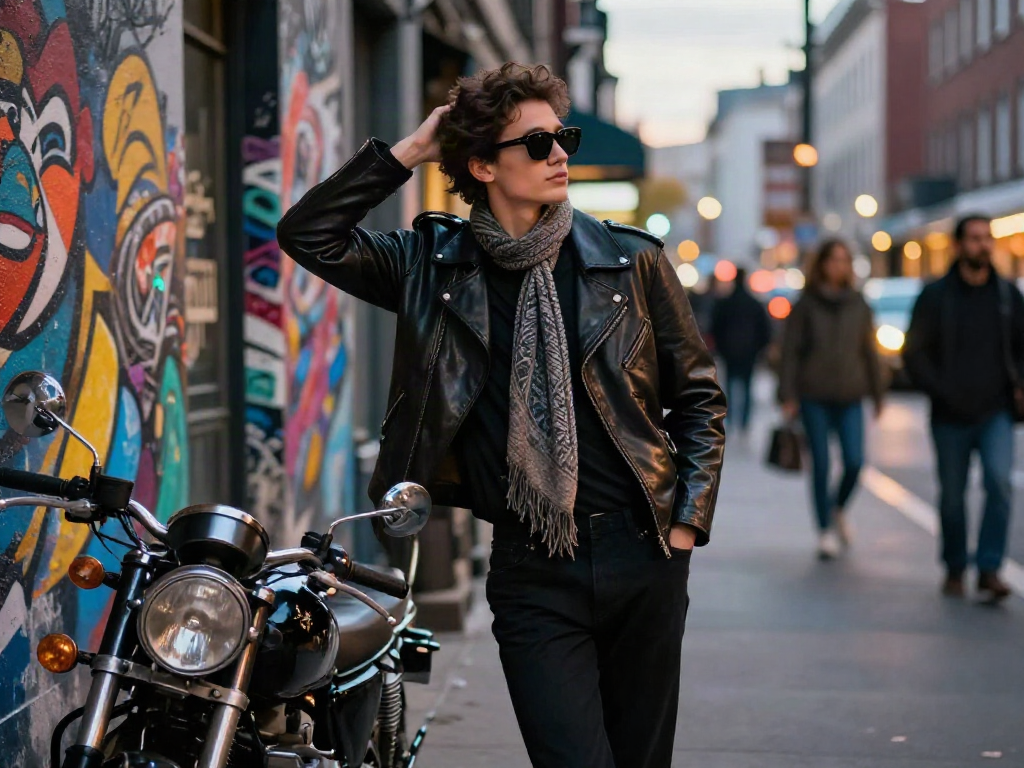
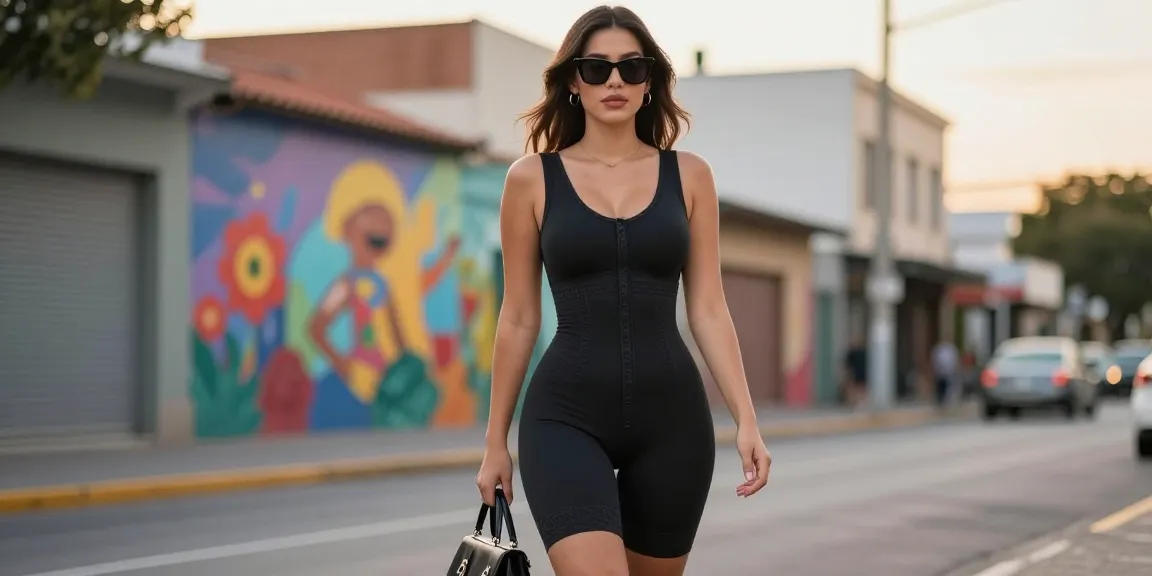
The world of Fashion and Apparel has a rich history that reflects both cultural shifts and individual expression. Understanding the evolution of fashion allows us to appreciate its current forms and trends. From ancient civilizations to modern-day catwalks, the narrative of fashion is interwoven with our social fabric, constantly evolving with technological advancements and societal changes.
Historical Influences on Modern Style
Fashion has always served as a mirror to society, reflecting historical contexts through various styles and trends. In ancient times, clothing was primarily functional, designed for protection and modesty. As societies progressed, the aesthetic aspect of clothing gained prominence. For instance, during the Renaissance, the explosion of art and literature led to a vibrant explosion of colors, fabrics, and complex designs, eschewing the somber tones of the Middle Ages.
The Industrial Revolution marked a turning point in fashion, introducing mass production. This made clothing more accessible and contributed to the rise of consumer culture. The roaring twenties celebrated liberating styles, while World War II brought about functionality with the rise of utilitarian fashion. Today, influences come from global streetwear, haute couture, and sustainable practices, showcasing a blend of styles that reflect our diverse society.
How Fashion Trends Emerge
Fashion trends often emerge from a confluence of various factors including social movements, cultural phenomena, and technological advancements. Observing runway shows, one can note how trends often stem from innovative designers who challenge conventional aesthetics. Trends can also arise organically from subcultures or through the influence of public figures and celebrities who inspire their followers.
Moreover, sociological aspects cannot be ignored. The fashion cycle—often revolving around seasons—creates anticipation for new trends, while events such as Fashion Weeks in Paris, Milan, and New York serve as pivotal moments that determine what styles will dominate the market. Today, trend forecasting is more data-driven, utilizing analytics to predict what consumers may crave next.
The Role of Cultural Diversification in Fashion
Today's fashion landscape is a rich tapestry, woven with diverse cultural influences. As globalization has connected people across the world, fashion has become an arena for cultural exchange and appreciation. Designers increasingly incorporate traditional motifs, fabrics, and techniques from various cultures into contemporary apparel. This cross-cultural blending infuses freshness and originality into fashion.
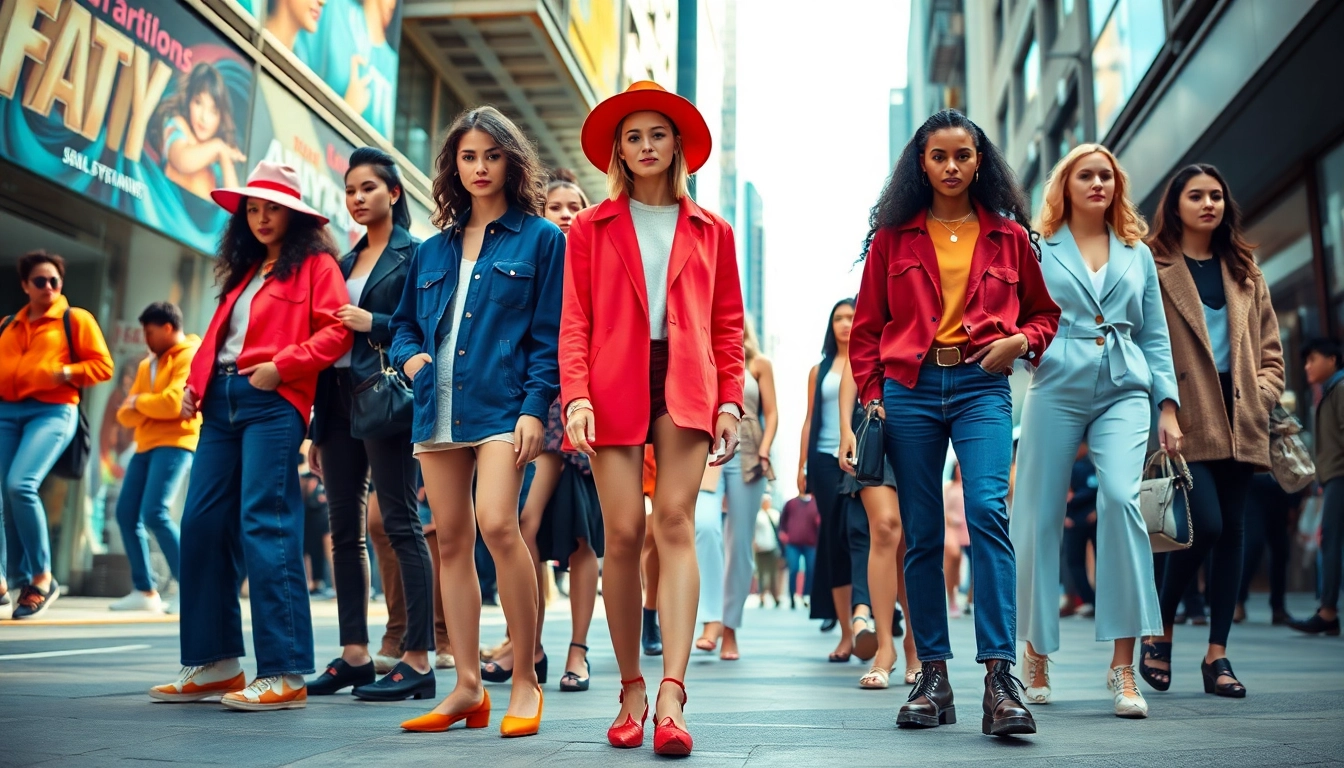
Cultural festivals, global art movements, and digital platforms have also democratized access to diverse styles. Street fashion from cities like Tokyo, Dakar, and New York introduces unique elements that can inspire high-end designers. However, this cultural diversification comes with the responsibility of ethical representation and collaboration, underscoring the need for sensitivity and respect for the origins of the styles being adapted.
Key Elements in Fashion and Apparel Design
Understanding Fabrics and Textures
Fabrics are the foundation of fashion. Different fibers possess unique qualities that affect not only the look but also the feel and behavior of garments. Natural fibers like cotton, wool, and silk bring comfort and breathability, while synthetic materials such as polyester and spandex offer varied functional benefits, such as stretch and durability. Understanding the properties of fabrics enables designers to create garments that fulfill both aesthetic and practical needs.
Texture also plays a crucial role in design. It can add visual interest or depth to an outfit. Mixing textures, such as pairing soft cotton with rugged denim or luxurious silks with heavy knits, creates a dynamic visual narrative. This interplay of fabrics and textures informs how a piece of apparel is perceived and how it resonates with the wearer’s personal style.
Color Theory in Fashion and Apparel
Color is one of the most powerful tools in a designer's arsenal. It has the ability to evoke emotions and communicate messages without the use of words. Color theory explores the relationships and combinations of colors; understanding these relationships can dramatically enhance the effectiveness of a design. For instance, complementary colors can create striking visuals, while analogous colors offer more harmonious outcomes.
Current color trends are often influenced by societal moods and events. Pantone’s Color of the Year, for instance, has significant impacts on fashion design, prompting shifts in color palettes across collections. Choosing the right color combinations not only impacts the garment's appeal but can also influence consumer behavior, making it essential for brands to stay informed on these evolving palettes.
Importance of Fit and Tailoring
Fit is a fundamental aspect of fashion that can make or break a design. A well-fitted garment enhances the wearer’s confidence and comfort, while poor fit can convey a lack of attention to detail. Tailoring plays an essential role in achieving that perfect fit. Custom alterations can transform mass-produced clothing into pieces that feel made for the individual.
Effective sizing practices also vary by market and demographic. Understanding body shapes and size variations enables designers to create more inclusive collections, helping all individuals find comfort and self-expression through clothing. With the rise of technology, tailored solutions like 3D body scans are becoming increasingly popular, allowing for bespoke clothing at a greater scale.
Staying Updated with Fashion and Apparel Trends
Top Resources for Fashion Inspiration
In the fast-paced world of fashion, staying updated on trends requires access to the right resources. Fashion publications like Vogue, Harper's Bazaar, and online platforms like Instagram and Pinterest are invaluable for discovering new ideas. These sources not only showcase trending styles but also provide insights into emerging designers and industry shifts.
Additionally, fashion blogs and influencers play a significant role in shaping consumers' perceptions of style and trends, often offering relatable insights and personal takes on high fashion versus street style. Engaging with these resources allows individuals to develop a well-rounded understanding of current fashion landscapes.
Following Fashion Weeks and Events
Fashion Weeks are the pulse of the fashion industry, showcasing the most innovative collections and setting the agenda for upcoming trends. Events held in major cities such as New York, Paris, and Milan gather top designers, celebrities, and influencers, fostering a supportive community around artistic expression. Attending or following these shows provides insight into the next big trends, cutting-edge materials, and thought-provoking designs.
Live streaming and online coverage has democratized access to these events, enabling fashion enthusiasts worldwide to witness the unfolding of new trends in real-time. These moments serve as an opportunity for both curiosity and inspiration, impacting not only designers but also consumers and brands alike.
The Impact of Social Media on Fashion Trends
Social media has revolutionized how fashion trends emerge and are disseminated. Platforms such as Instagram, TikTok, and Pinterest allow for the immediate sharing of styles, enabling fashion enthusiasts to curate their looks and ideas from a global pool of inspiration. Influencers leverage their large following to popularize certain styles, bringing them into the mainstream almost overnight.
The interplay of user-generated content has resulted in a more inclusive approach to fashion, allowing diverse voices and styles to flourish. However, it also challenges fashion brands to adapt quickly, ensuring they align with the preferences of their audience while simultaneously maintaining authentic engagement. The challenge lies in balancing creativity with speed while delivering quality products that resonate with consumers.
Building a Sustainable Wardrobe in Fashion and Apparel
Choosing Ethical Brands
As sustainability becomes a pressing concern, fashion brands have begun to prioritize ethical practices in their production processes. Choosing brands that prioritize sustainability, fair trade, and ethical labor practices can significantly reduce one's environmental footprint. Many brands now outline their sustainable practices in detail, allowing consumers to make informed decisions about their purchases.
Understanding the lifecycle of clothing, from sourcing raw materials to the end of a garment's life, is essential for making responsible choices. By supporting ethical brands, consumers are driving change within the industry, encouraging other companies to adopt similar practices for environmental and social responsibility.
Reducing Fashion Waste
Fashion waste is a substantial global issue, with millions of tons of clothing ending up in landfills every year. To combat this, consumers can adopt practices aimed at reducing waste. Buying quality pieces that last longer, engaging in upcycling, and repurposing old garments are effective strategies. Moreover, implementing a mindful approach to shopping, such as the one-in-one-out rule, encourages thoughtful consumption.
Brands are also adapting by implementing take-back initiatives and recycling programs, where consumers can return worn clothing for responsible disposal or recycling. By participating in these programs, individuals contribute to a more circular economy, reducing overall fashion waste.
Tips for Second-Hand Shopping
Second-hand shopping is an excellent way to build a sustainable wardrobe while also discovering unique pieces. Thrift stores, online consignment shops, and vintage markets can offer a treasure trove of clothing options at reduced prices. When shopping second-hand, individuals should have an open mind, find items that resonate with their personal style, and assess quality carefully.
Developing a personal style within the framework of second-hand shopping also adds uniqueness to one's wardrobe. Tips include knowing one's measurements, checking for quality fabrics, and keeping an eye out for special pieces that can elevate otherwise simple outfits. This approach not only supports sustainability but also encourages creativity in self-expression.
FAQs about Fashion and Apparel
What is the significance of fashion on culture?
Fashion reflects cultural identity and expressions, influencing and representing social dynamics. It showcases individual and collective values, beliefs, and societal trends.
How can I enhance my personal style?
Experiment with different outfits, colors, and accessories that resonate with your personality. Take inspiration from various sources, and make choices that feel authentic and comfortable.
What fabrics are best for summer clothing?
Lightweight, breathable fabrics like cotton and linen are ideal for hot weather. These materials allow airflow, ensuring comfort while maintaining style during summer months.
Are fast fashion brands bad for the environment?
Yes, fast fashion contributes significantly to waste and pollution. Opting for sustainable brands helps reduce environmental impacts and promotes ethical practices in the fashion industry.
How do I know what trends suit me?
Try various styles and consider your body shape. Prioritize outfits that make you feel confident and comfortable, as personal satisfaction is key to pulling off any trend.