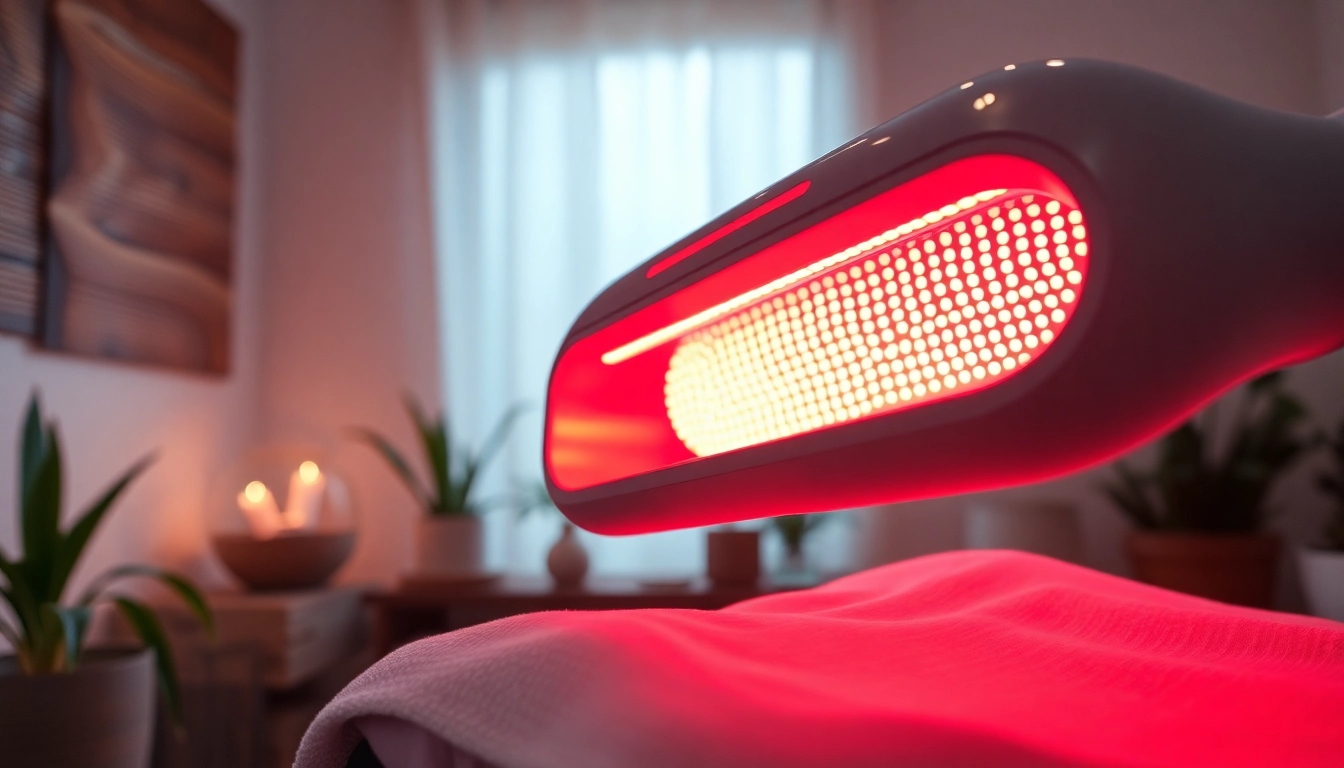
Understanding Red Light Therapy
What is Red Light Therapy?
Red light therapy (RLT), also known as low-level laser therapy (LLLT), is a non-invasive treatment modality that utilizes specific wavelengths of light to promote healing and rejuvenation at the cellular level. Predominantly, wavelengths in the red and near-infrared spectrum (600–1000 nanometers) are employed in various therapeutic and cosmetic applications. This technique is gaining traction within both the medical and wellness communities for its multifaceted benefits, encompassing everything from improved skin health to enhanced athletic performance.
Benefits of Red Light Therapy
The myriad benefits of red light therapy have made it a subject of extensive research. Some of the prominent advantages include:
- Skin Health: RLT is effective in reducing wrinkles, fine lines, and acne. It stimulates collagen production, which is essential for skin elasticity and repair.
- Pain Relief: Many users report significant pain reduction following RLT sessions, particularly for chronic pain conditions like arthritis.
- Wound Healing: Research has demonstrated accelerated healing of wounds, burns, and other injuries.
- Muscle Recovery: Athletes often employ RLT to enhance muscle recovery post-exercise, reducing muscle soreness and inflammation.
- Mitochondrial Support: By enhancing mitochondrial function, RLT improves cellular energy production, vital for maintaining overall health.
How Red Light Therapy Works
The efficacy of red light therapy rests upon its ability to penetrate the skin and tissues, where it is absorbed by mitochondria. When these light wavelengths strike the cells, they stimulate a biochemical reaction that enhances ATP (adenosine triphosphate) production, leading to increased energy availability for cellular repair and regeneration. The light also activates various cellular processes that contribute to reduced inflammation and oxidative stress. As a result, individuals often experience improved recovery times and enhanced overall well-being.
The Science Behind Mitochondrial Support
Role of Mitochondria in Health
Mitochondria are often referred to as the "powerhouses" of cells, primarily because their primary function is to produce ATP, the energy currency of our cells. However, their role extends beyond energy production. Mitochondria also regulate metabolic pathways, influence cell signaling, and play a critical role in apoptosis (programmed cell death), making their health vital for cellular function and, by extension, overall health.
How Red Light Therapy Enhances Mitochondrial Function
Research indicates that red light therapy positively influences mitochondrial function by strengthening their activity and enhancing their efficiency. By increasing the production of ATP and aiding in the reduction of reactive oxygen species (ROS), RLT promotes a healthier mitochondrial environment. This results not only in improved energy levels but also mitigates the potential damage associated with oxidative stress, leading to better cellular health.
Research Studies Supporting Mitochondrial Health
Numerous studies underscore the profound impact of red light therapy on mitochondrial function:
- Research published in the Journal of Clinical and Aesthetic Dermatology highlights the effectiveness of RLT in increasing collagen production and skin rejuvenation, owing to its influence on mitochondrial activity.
- A study in the Photomedicine and Laser Surgery Journal demonstrated significant pain relief in patients with chronic joint disorders following regular RLT sessions, attributing the effects to enhanced energy metabolism in mitochondria.
Choosing the Right Red Light Therapy Device
Types of Devices Available
When considering red light therapy, the variety of devices available can be overwhelming. Common types include:
- Handheld Devices: Ideal for targeted therapy on specific areas, often used for facial treatments or localized pain relief.
- Full-Body Panels: Larger units designed for extensive body coverage, commonly used in clinics but increasingly available for home use.
- Face Masks: Specifically designed for facial treatments, these devices offer convenience and are popular for anti-aging purposes.
Key Features to Consider
Choosing the right red light therapy device involves understanding key features:
- Wavelength Range: Look for devices that emit light within the 600-1000 nanometer range for optimal results.
- Power Density: Measured in milliwatts per square centimeter (mW/cm²), higher power density can lead to shorter treatment times.
- Treatment Area: Consider the size of the device relative to the areas you wish to treat. Full-body devices are more versatile but may not be necessary for everyone.
- Cooling Features: Some advanced devices come equipped with cooling systems to enhance comfort during treatment.
Comparative Analysis of Leading Products
While many excellent red light therapy devices are on the market, conducting comparative analysis is vital for selecting the best option for personal needs:
- Price: Quality devices range from affordable handhelds to multi-thousand dollar systems. Make selections based on budget and intended usage.
- Customer Feedback: Investigating reviews and testimonials can provide insight into product effectiveness and user experiences.
- Warranty and Support: Quality devices often come with warranties and customer support to aid in troubleshooting and satisfaction.
Implementing Red Light Therapy in Your Routine
Best Practices for Usage
To maximize the benefits of red light therapy, consider the following best practices:
- Consistency: Regular use is necessary to see optimal results; setup a schedule based on your device’s recommendations.
- Distance from Device: Maintain the recommended distance between yourself and the device to ensure effective light penetration without causing discomfort.
- Duration: Sessions typically last between 5 to 20 minutes, depending on the device and treatment area.
Integrating with Other Wellness Practices
Combining red light therapy with other wellness practices can significantly enhance results:
- Nutrition: A balanced diet rich in antioxidants can complement the cellular health benefits provided by RLT.
- Exercise: Regular physical activity can amplify the fatigue-reducing effects of RLT, enhancing muscle recovery.
Monitoring Your Progress and Results
Keeping track of progress is essential for assessing the effectiveness of red light therapy. Here’s how:
- Photo Documentation: Consider taking “before” and “after” photos to visually gauge improvements in skin texture or healing.
- Symptom Tracking: Maintain a journal to log pain levels, recovery times, and any changes in energy levels post-therapy.
FAQs about Red Light Therapy
Common Myths and Misconceptions
Many myths surround red light therapy, including misconceptions about its effectiveness:
- Myth: RLT is only beneficial for skin treatments.
- Fact: RLT offers benefits across various health domains, including pain relief and enhanced cellular function.
Safety and Side Effects
Red light therapy is generally considered safe, with minimal side effects. However, be cautious of:
- Overexposure to light can cause skin irritation; always follow device recommendations.
- Individuals with specific conditions, such as light sensitivity or those using certain medications, should consult healthcare professionals prior to starting therapy.
How to Get Started with https://www.biolight.shop
To begin your journey with red light therapy, exploring the offerings available at https://www.biolight.shop provides access to quality devices tailored for various needs. Assess your requirements, select a suitable device, and follow a structured approach to treatment to realize the full potential of RLT in enhancing your health and wellness.