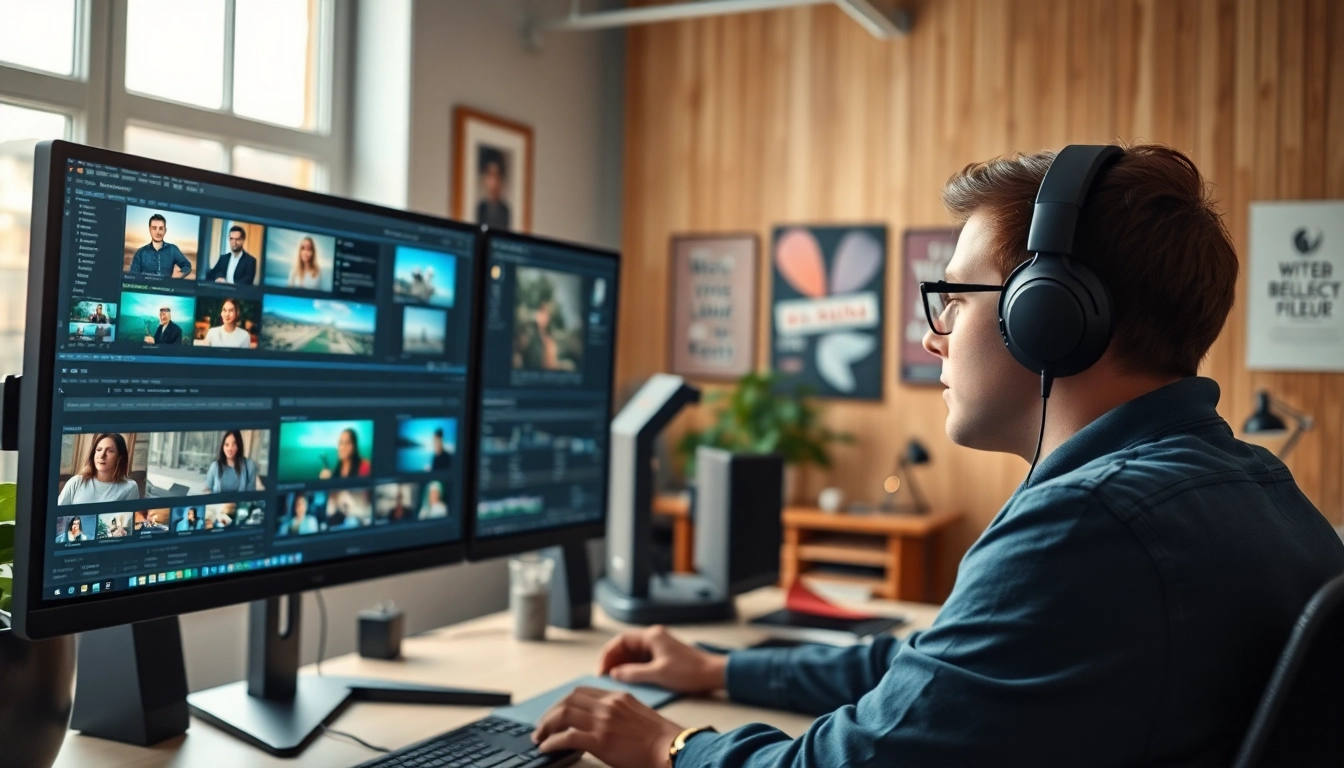
Understanding the Role of Professional Video Editors
In today's visually driven digital landscape, the demand for high-quality video content has surged. This trend has elevated the role of professional video editors to new heights. They serve as the gatekeepers of visual storytelling, ensuring that footage is seamlessly transformed into engaging narratives that captivate audiences. From corporate videos to YouTube vlogs, professional video editors play a pivotal part in the creation of compelling content. But what exactly do they do? Let's delve deeper.
What Do Professional Video Editors Do?
Professional video editors are tasked with the intricate job of taking raw footage and crafting it into a final product that effectively communicates a story or message. This involves several key responsibilities:
- Reviewing Raw Footage: Before any editing begins, video editors review the raw footage to understand what material they have to work with.
- Editing and Splicing Video: This is the core of the job. Editors cut and splice together different pieces of footage to create a coherent and engaging story.
- Adding Effects and Transitions: Professional video editors enhance their projects with special effects, transitions, and color correction to create a polished final product.
- Audio Editing: Ensuring audio quality is as important as visual quality. Editors add sound effects, voiceovers, and background music to improve the overall viewing experience.
- Collaboration: Editors often work closely with directors and producers to align the final product with their vision.
Essential Skills Needed for Success
To excel as a professional video editor, individuals must cultivate a range of technical and soft skills, including:
- Technical Proficiency: Familiarity with video editing software such as Adobe Premiere Pro, Final Cut Pro, and DaVinci Resolve is critical.
- The Eye for Detail: A good editor pays attention to minutiae, ensuring every cut and transition is seamless.
- Storytelling: Success in video editing relies heavily on the ability to narrate a compelling story; understanding pacing and audience engagement is crucial.
- Time Management: Editors often work under tight deadlines and must prioritize tasks efficiently.
- Communication Skills: Effective communication is essential when collaborating with other creative professionals.
Common Tools and Software Used
Professional video editors utilize various software and tools to enhance their workflow and improve the quality of their edits. These include:
- Adobe Premiere Pro: A leading choice for video editing, it offers extensive features for professionals.
- Final Cut Pro: Popular among Mac users, known for its powerful editing capabilities and user-friendly interface.
- DaVinci Resolve: Favored for color correction and audio post-production, it is also a strong editing tool for professionals.
- Avid Media Composer: Widely used in film and television, it provides robust editing capabilities for large projects.
- Canva Video Editor: An accessible tool for simple editing tasks, perfect for beginners or quick edits.
Types of Video Editing Services
The landscape of video editing services is diverse, catering to different types of content and client needs. Let's explore the various services offered by professional video editors.
Freelance Services for Different Media Types
Freelance video editors often provide services tailored to specific media types, such as:
- Corporate Videos: These entail creating promotional, training, or informational videos for businesses.
- Event Coverage: Editors may handle footage from weddings, conferences, or other significant events, crafting heartwarming or informative highlights.
- Commercials: This involves editing advertisements to ensure they convey their messages effectively and are visually appealing.
- Documentaries: Editors work on long-form content, weaving together interviews, archival footage, and voiceovers to tell impactful stories.
- Social Media Videos: Creating short, engaging content for platforms like Instagram, TikTok, and Facebook requires unique editing styles that grab attention quickly.
Corporate vs. Creative Editing
Understanding the difference between corporate and creative editing is essential for video editors. Corporate editing often focuses on clear communication, brand alignment, and professionalism, while creative editing may prioritize artistic expression, innovation, and emotional impact. The techniques and approaches vary significantly based on the intended audience and goals of the project.
Video Editing for Social Media Platforms
In the age of social media, video content has become paramount. Professional video editors adapting to social trends create dynamic content that resonates with audiences. Key aspects include:
- Short-form Videos: Platforms prioritize brief, engaging videos that can quickly capture attention, such as stories or reels.
- Vertical Video Editing: With many users consuming content on mobile devices, vertical formats have gained popularity, requiring a different editing approach.
- Engagement-Driven Content: The focus is on providing immediate value, often through humor, lessons, or shareable moments to increase viewer engagement.
Finding the Right Professional Video Editor
Hiring a professional video editor is a significant decision that impacts the quality and effectiveness of your content. Here are steps to help you find the right fit.
Where to Look for Qualified Editors
Finding the right video editor can be as simple as exploring various platforms:
- Freelance Platforms: Websites like Upwork and Fiverr provide access to a vast pool of freelance editors with diverse skill sets.
- Social Media: LinkedIn or platforms like Instagram showcase editor portfolios and previous work.
- Networking Events: Local industry events, workshops, or film festivals can connect you with professionals in the field.
- Referrals: Asking for recommendations from colleagues can lead to finding trustworthy and talented video editors.
Evaluating Portfolios and Work Experience
Once potential editors are shortlisted, reviewing their portfolios is crucial to assess if their style aligns with your vision:
- Diversity of Work: Look for a range of projects, indicating versatility and adaptability in editing styles.
- Quality of Editing: Examine the smoothness of transitions, audio clarity, and the overall storytelling quality.
- Client Reviews: Positive testimonials or feedback can provide insight into an editor's reliability and work ethic.
Questions to Ask Before Hiring
Before making a final decision, asking the right questions can further clarify an editor's suitability:
- What editing programs do you prefer to use, and why?
- Can you describe your editing process?
- How do you handle feedback and revisions?
- What is your availability and timeline for completing a project?
- Are you comfortable collaborating with other team members?
Pricing and Budgeting for Video Editing
Understanding the cost associated with hiring a professional video editor is essential for effective budgeting. Rates can vary widely based on several factors.
Average Rates for Professional Video Editors
While the rates for video editing services can fluctuate greatly, here’s a general breakdown:
- Entry-Level Editors: Typically charge between $15 to $30 per hour.
- Intermediate Editors: Average rates go from $30 to $60 per hour, often possessing more experience and skills.
- Expert Editors: Rates can exceed $60 per hour, reflecting advanced skill sets, specialized experience, and a refined artistic style.
Factors Influencing Editing Costs
Several factors can influence the cost of hiring a video editor, including:
- Project Length: Longer videos require more editing time, thereby increasing costs.
- Type of Editing Required: Simple edits may be less expensive than intricate, specialized work.
- Editor Experience: More seasoned professionals typically charge higher rates based on their portfolio and expertise.
- Geographic Location: Rates can differ based on the cost of living in an editor's area.
Negotiating Rates with Freelancers
When negotiating with video editors, consider the following tips:
- Be Upfront About Budget: Clearly communicate your budget constraints from the outset.
- Discuss Project Scope: Providing a detailed outline of the project can help justify your proposed budget.
- Consider Value Over Cost: Focus on the long-term benefits of hiring a skilled editor over immediate cost savings.
Trends in Video Editing Techniques and Technology
The video editing industry is constantly evolving with emerging technologies and popular editing styles. Staying abreast of these trends is crucial for video editors and clients alike.
Emerging Technologies in Video Editing
Recent technological advancements have transformed the field of video editing:
- AI-Powered Editing: Artificial Intelligence tools are making waves by automating mundane editing tasks and offering intelligent suggestions.
- Cloud-Based Editing: Cloud technologies allow for collaborative editing and easy access to projects from anywhere.
- Virtual Reality (VR) and Augmented Reality (AR): These technologies are inspiring new forms of storytelling and editing, creating immersive experiences.
- 4K and 8K Editing: With the rise of high-resolution video, the demand for editing capabilities that handle ultra-high-definition content is increasing.
Popular Editing Styles in 2025
As the video landscape shifts, certain editing styles gain popularity:
- Fast Cuts and Edits: Quick transitions and cuts cater to the decreasing attention spans of audiences.
- Minimalistic Editing: Emphasizing content rather than flashy effects, this style focuses on clean edits and straightforward storytelling.
- Dynamic Text and Graphics: Integrating engaging text and graphics enhances storytelling, often seen in social media edits.
- Documentary-Style Editing: A rise in real stories and experiences shape editing styles that use longer takes and natural sounds.
Future Predictions for the Video Editing Industry
The future of video editing looks promising, with expectations of increased integration of AI, higher resolutions becoming the norm, and the creative styles continuously evolving:
- Greater Use of Automated Tools: AI-driven software will likely assist editors further in polishing their work, allowing them to spend more time on creative storytelling.
- Increased Demand for Live Editing: As live streaming becomes more popular, editing for live content will evolve significantly.
- Expansion of Online Learning: More editors will seek online opportunities to learn the craft and keep pace with changes in technology.
Conclusion
Professional video editors play an indispensable role in today’s media landscape, transforming raw footage into powerful narratives that resonate with audiences. By understanding their roles, the types of services offered, and the current trends in the industry, businesses and individuals can find the right editors to meet their specific needs. As technology continues to advance, so too will the techniques and styles, paving the way for even more innovative and impactful video content.