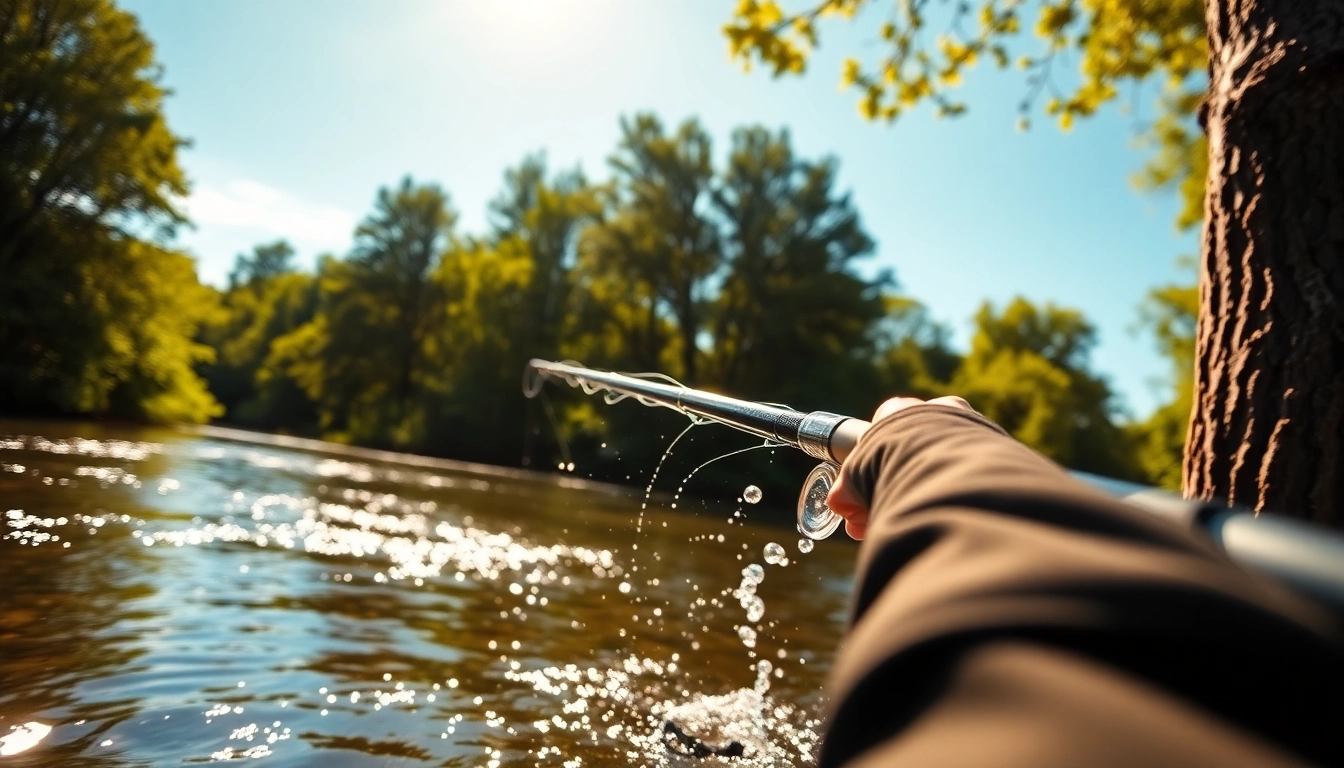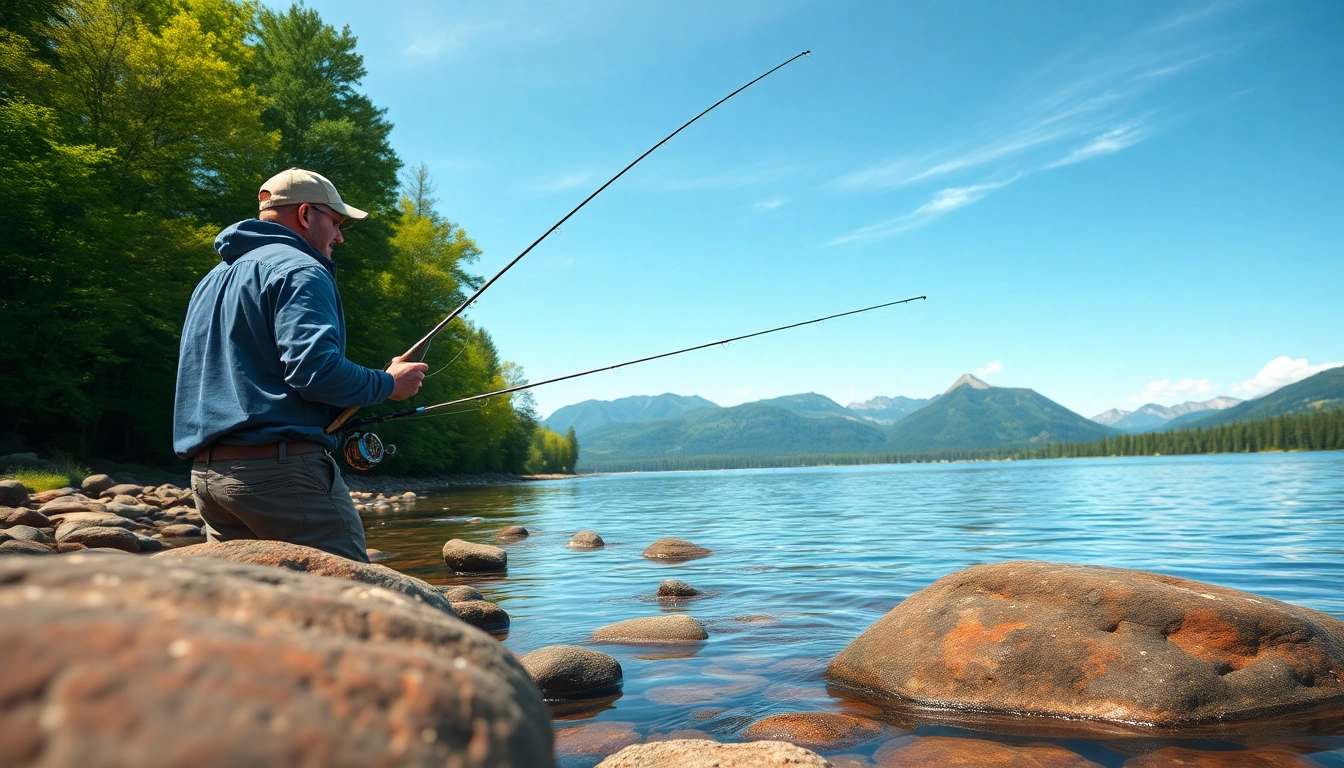
Understanding the Best Fly Fishing Rods
Choosing the right fly fishing rod is pivotal for successful angling. A great fly fishing rod not only enhances your casting experience but also increases your chances of landing that trophy fish. Whether you are just starting or you are an experienced angler, understanding the nuances of fly fishing rods can significantly elevate your fishing pursuits. In this comprehensive guide, we will explore the best fly fishing rods based on skill level, materials, performance, and maintenance. With careful consideration, your investment will lead to many fruitful fishing trips.
What Makes a Fly Fishing Rod Great?
A great fly fishing rod is defined by its ability to deliver precision, sensitivity, and power. Here are the key characteristics that determine the value of a fly fishing rod:
- Action: The action of a rod refers to how much and where the rod bends when force is applied. A fast-action rod bends primarily at the tip, offering quick responses for distance casting; a slow-action rod bends throughout its length, providing excellent control for delicate presentations.
- Power: Rod power is categorized from ultra-light to heavyweight, influencing how aggressively you can fight fish. A rod with the right power allows optimal leverage against common fish species.
- Length: Fly rods typically range from 8 to 10 feet. The length affects casting range and presentation. Longer rods offer more casting distance but can be less precise in tight spaces.
- Construction: The materials used in rod construction significantly impact durability and sensitivity. Carbon fiber rods are lightweight, while fiberglass rods offer greater durability.
Materials and Construction: A Deep Dive
Two primary materials dominate fly rod construction: graphite and fiberglass. Graphite rods are preferred for their lightweight and sensitivity, making them ideal for quick action. They deliver greater casting distance and enable anglers to feel the slightest nibble. Fiberglass, while heavier, provides excellent durability and is less prone to breakage, making it a good option for beginners and casual fishers.
Additionally, specialized construction methods such as multi-piece design offer portability, allowing anglers to transport their rods easily without compromising performance. Pay attention to the quality of the guides, grips, and reel seats, as these components can affect your overall experience.
Length and Action: Finding Your Fit
The choice of rod length and action is deeply personal and depends on your fishing style and conditions. For instance:
- Short rods (7 to 8 feet): Excellent for small streams and tight quarters where precision is critical.
- Medium rods (8.5 to 9 feet): The most versatile, suitable for a variety of fishing environments and techniques.
- Long rods (9 to 10 feet): Ideal for wide rivers and large lakes, where you need to reach distant targets.
Actively consider the conditions and species you’ll be targeting, as these will inform your selection for both length and action. Ultimately, the right combination will create a harmonic synergy, ensuring you enjoy every moment spent on the water.
Top Picks for Beginners
If you're new to the fly fishing world, several options make the learning curve more manageable without breaking the bank. Here are some of the top rod choices for beginners:
Affordable Options for New Anglers
As a beginner, you want durability and ease of use without committing to a pricey setup. Look for rods in the mid-range price bracket—there are great options crafted to withstand the learning process. Budget-friendly rods are often made of fiberglass for extra durability, making them suitable for beginners who might be prone to a few mishaps.
Features to Look for in Starter Rods
Choosing the right starter rod involves assessing a few essential attributes:
- Ease of Use: Look for rods labeled as user-friendly, which will help new anglers adapt quickly.
- Medium Action: This will provide a good balance of distance and control in various fishing conditions.
- Strength and Durability: Choose materials that can withstand frustration factors like accidental drops or bumps.
Best Fly Fishing Rods for Technique Learning
When you're learning, the right rod will help with grasping fundamentals like casting technique and line management. Opt for rods that provide a forgiving action; this will give you leeway as you work to perfect your form. Consider a rod that you can grow into—one that balances performance and progression, assisting in your journey as you become a more skilled angler.
Intermediate Rods for the Evolving Angler
Once you have some experience under your belt, it is time to assess your gear and consider upgrading. Intermediate anglers often seek rods that provide enhanced performance without venturing into high-end pricing.
Balancing Performance and Price
Intermediate rods bridge the gap between entry-level and advanced options, offering the best of both worlds. They typically include better materials like higher-grade graphite, allowing for lighter weight and improved action. Investing a bit more into this category of rods should yield equipment that enhances both capability and confidence.
Versatile Rods for Various Conditions
Intermediate anglers will frequently encounter changing conditions, making versatility key. Look for rods that can handle a range of environments—fast-flowing rivers, still waters, or coastal areas. A mid-length rod that provides a medium fast action is often ideal, giving the ability to switch between various fishing techniques as needed.
Upgrading Your Fishing Experience
As your skill improves, so will your desire to refine your equipment. A good intermediate rod will allow you to increase casting distance, offer better line control, and improve your ability to respond to active fish. Explore different lengths and actions to find one that feels just right for you, adapting as needed to adapt your evolving skills.
Advanced Fly Fishing Rods: Specifications and Benefits
Advanced anglers often look for gear that not only meets expectations but pushes the boundaries. High-end rods are engineered with meticulous attention to detail, offering unparalleled performance for those who are serious about their sport.
High-End Features That Matter
For the advanced angler, high-end features enhance every element of the fishing experience. Look for rods with:
- Exotic Materials: Such as high modulus graphite or even carbon nano technology for added strength while remaining lightweight.
- Precision Engineering: Provides improved weight distribution and sensitivity to allow the angler to feel the subtlest of bites.
- Customizable Options: Many manufacturers offer models that allow for personal specifications regarding length, action, and even grip styles.
Customizable Options for Serious Anglers
Customization can be a game-changer for an advanced angler. Many brands offer made-to-order rods that can include personalized details such as rod color, handle materials, and reel seat types. If you understand your unique preferences, not only will it feel tailored to your individual style, but it will also maximize your performance and comfort on the water.
Performance Metrics to Consider
Advanced rods should come with a few specific performance metrics that cater to dedicated anglers:
- Weight-to-Power Ratio: Indicates how lightweight a rod feels while delivering the strength needed to handle larger fish.
- Sensitivity Score: An important metric that defines how well you can feel subtle tugs and bites.
- Accuracy Rating: Reflects how precise your casting can be, a vital skill for targeting wary fish.
Understanding these metrics can provide insights essential for making an informed purchase, significantly enhancing your fishing outings.
Maintaining and Caring for Your Fly Fishing Rod
The longevity of your fly fishing rod greatly relies on regular maintenance and care. Proper handling can keep your rod in optimal condition and save you from premature replacements.
Simple Steps for Longevity
To keep your rod performing at its best, implement these simple care routines:
- Cleaning: Rinse your rod with fresh water after each use to remove dirt and debris.
- Storage: Always store rods upright or in a protective case to prevent bends and chips.
- Check for Damage: Regularly inspect guides, the reel seat, and ferrules for signs of wear and tear.
Repair Tips for Common Issues
Slight repairs can significantly extend the life of your rod. If you encounter issues such as a loose guide or minor scratches:
- Guide Repair: Use a small amount of epoxy to secure loose guides securely in place.
- Ferrule Tips: If your rod separates unevenly, use a lubricant specifically designed for rod ferrules.
- Scratch Prevention: Wrap any scratches with tape to prevent further wear until a more permanent fix can be made.
Storing Your Rods Properly
Proper storage is equally important for maintaining your fly rod. Avoid placing rods in direct sunlight for prolonged periods, as UV rays can weaken materials. Additionally, utilize protective sleeves or cases that cushion the rod and maintain its integrity during transport.
Frequently Asked Questions
1. What is the best fly fishing rod for beginners?
For beginners, a medium-action rod around 8.5 to 9 feet is often best, balancing ease of use with adaptability for various environments.
2. How can I tell if my fly fishing rod is too heavy?
A rod that feels cumbersome when casting or is difficult to handle may be too heavy. Seek a balance that feels lighter in hand to improve your technique.
3. Do I need different rods for different types of fish?
Yes, different species often require varied techniques and tackle, which may lead you to select rods of differing lengths, actions, and materials accordingly.
4. How often should I clean my fly fishing rod?
It's best to rinse your rod after every outing to prevent buildup of dirt and salt, prolonging its lifespan and ensuring optimal performance.
5. Can I repair a damaged fly rod myself?
Yes, many minor issues can be repaired at home, such as re-gluing loose guides or applying ferrule lubricant. For more serious damage, consider professional repair.