
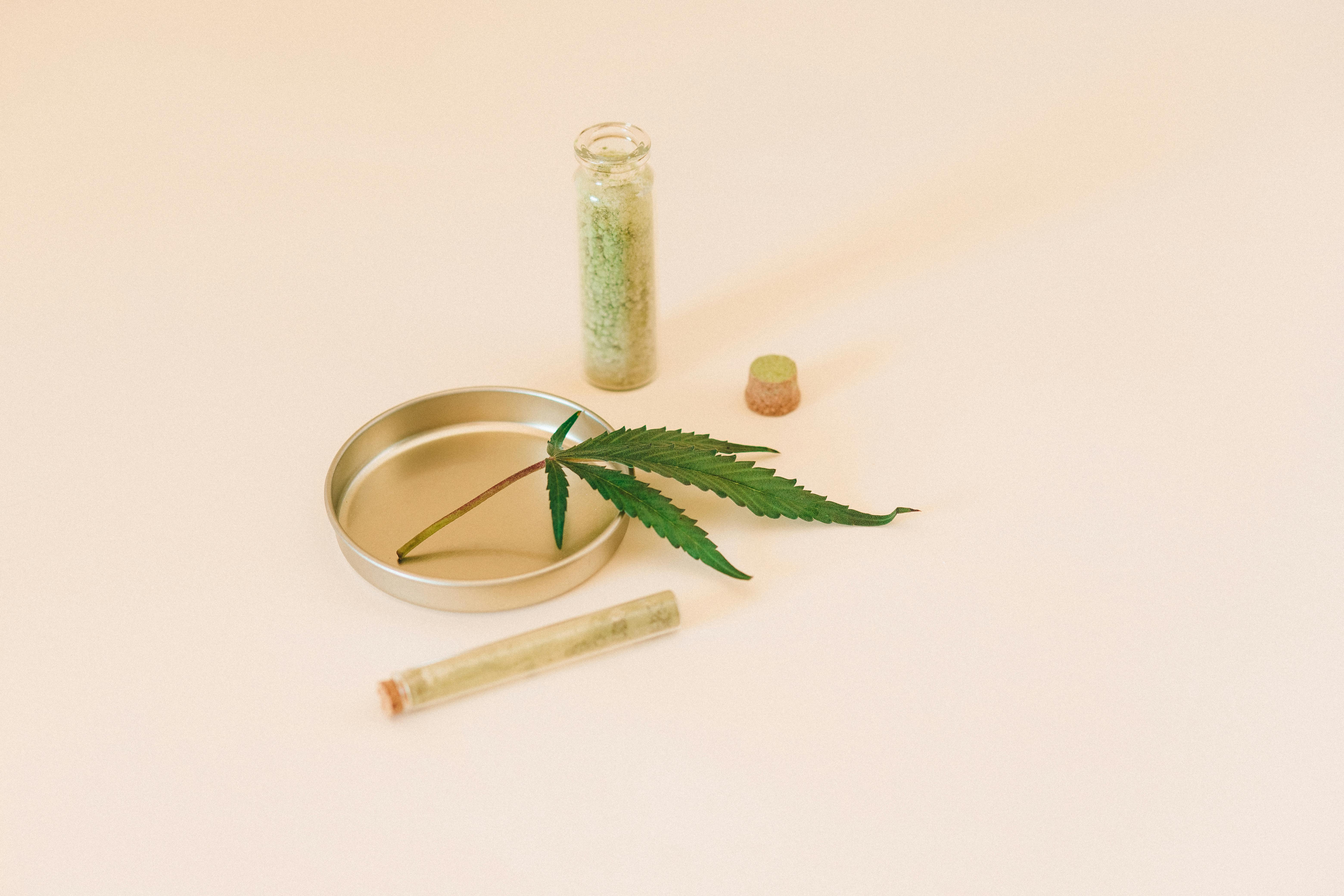
What is THCA?THCA is a non-psychoactive cannabinoid found in raw cannabis. Unlike THC, THCA does not produce a high, making it ideal for those interested in exploring cannabis without intoxicating effects. For food enthusiasts, THCA represents a unique opportunity to experiment with flavors, nutrition, and wellness benefits in culinary creations. Understanding THCA is essential for anyone curious about integrating cannabis into raw or minimally processed dishes.
THCA vs Other Cannabinoids in FoodIn culinary contexts, THCA differs from THC and CBD in both structure and effects. Its carboxyl group prevents THCA from binding to CB1 receptors, keeping it non-intoxicating. Food scientists and chefs value THCA because it maintains its properties in cold preparations, such as salads, smoothies, and infused oils. Compared to THC, THCA offers a safer and more versatile option for creative culinary applications.
Using THCA in Raw DishesFor food enthusiasts, THCA can be incorporated into raw recipes to preserve its unique qualities. Cold-pressed juices, herbal infusions, and raw sauces are ideal methods for maintaining THCA integrity. By avoiding heat, chefs and home cooks ensure that THCA remains non-psychoactive while providing subtle herbal flavors. This makes THCA a versatile ingredient for those looking to combine flavor, wellness, and culinary innovation.
The Science Behind THCA in CookingUnderstanding THCA’s chemical properties is crucial for culinary experimentation. When exposed to heat, THCA converts into THC through decarboxylation. Therefore, recipes intended to highlight THCA must avoid cooking temperatures that could alter its effects. Food scientists are exploring how THCA interacts with other ingredients, including herbs, oils, and proteins, to maximize flavor and nutritional potential while maintaining cannabinoid stability.
THCA for Wellness-Oriented Food CreationsTHCA has gained popularity among wellness enthusiasts who want non-intoxicating ways to incorporate cannabis into their diet. Its potential anti-inflammatory and antioxidant properties make THCA an appealing addition to health-focused dishes. From smoothies to salad dressings, using THCA allows culinary creatives to design recipes that support wellness goals without affecting mental clarity.
Tips for Handling THCA in the KitchenTo preserve THCA in culinary applications, avoid high heat, prolonged light exposure, and acidic environments. Cold extraction methods, raw infusions, and minimal processing are recommended to maintain THCA’s properties. Proper storage and handling are key for ensuring that THCA retains its unique characteristics, making it a reliable ingredient for curious food enthusiasts.
ConclusionTHCA is a non-psychoactive cannabinoid that offers exciting possibilities for culinary experimentation. Its stability in raw preparations, potential wellness benefits, and versatility in flavor applications make THCA an essential ingredient for food enthusiasts. By understanding how to work with THCA, chefs and home cooks alike can explore the intersection of cannabis, science, and gastronomy in innovative and safe ways.