






A Cultural Journey: What to Expect When You Visit Morocco
The Diverse Regions of Morocco
Morocco presents an intricate tapestry of landscapes, cultures, and traditions, spread across its diverse regions. From the bustling urban life of cities like Marrakech and Casablanca to the serene landscapes of the Sahara Desert and the scenic views of the Atlas Mountains, every corner of Morocco tells its own story. Each region has its own unique charm, influenced by geography, history, and cultural practices. The northern Rif Mountains are known for their blue-washed streets and Mediterranean beaches, while Southern Morocco is famed for its desert landscapes and Berber traditions. As you visit morocco, these varied regions promise distinct experiences immersing you deeper into the Moroccan way of life.
Cultural Practices and Traditions
The cultural practices of Morocco are a stunning blend of Islamic traditions and indigenous Berber influences. Family is paramount in Moroccan society, often taking precedence over individual desires. Hospitality is another cornerstone of Moroccan culture; it is not unusual for locals to invite travelers into their homes for tea or meals. Important rites of passage such as weddings and religious celebrations like Eid are celebrated with great enthusiasm, marked by elaborate feasts and significant gatherings that showcase the community’s cohesiveness.
Moreover, traditional music and dance play a vital role in Moroccan culture. The music varies by region; for instance, the Gnawa music of the south merges African and Arab influences, while the Chaabi music of urban areas is more contemporary and upbeat. Throughout the year, local festivals celebrate these cultural expressions, featuring performances that connect communities and celebrate their rich heritage.
Festivals Worth Attending
Morocco hosts a myriad of festivals year-round that reflect its vibrant culture. One of the most iconic is the Marrakech International Film Festival, attracting global cinephiles and showcasing both Moroccan and international films. Another significant event is the Fes Festival of World Sacred Music, where musicians from all over the globe gather to celebrate music’s spiritual essence through performances in historical venues across the ancient city of Fes.
In the realm of culinary arts, the Essaouira Gnaoua and World Music Festival brings together local and international musicians, creating a melting pot of sounds and flavors. For those who appreciate traditional crafts, the Festival of Fes showcases artisans and their crafts, allowing tourists to engage directly with the creative processes that define Moroccan artistry.
Top Destinations to Visit Morocco
Exploring Moroccan Cities
Morocco’s urban centers are a blend of ancient history and modernity. Casablanca, known for its French colonial architecture and bustling atmosphere, is a gateway for many visitors. The Hassan II Mosque, one of the largest mosques in the world, is a must-see, towering over the Atlantic Ocean and inviting respectful admiration.
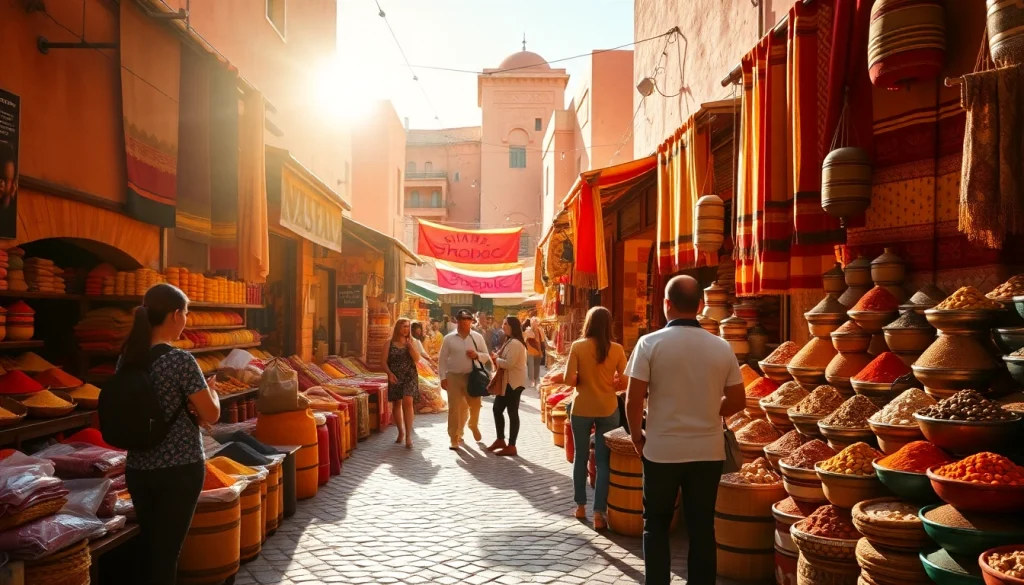
Moving to Marrakech, visitors can explore the historic medina, an UNESCO World Heritage site, filled with souks, palaces, and gardens. The vibrant colors and scents create an unforgettable experience. Don’t forget to visit the Majorelle Garden and the Koutoubia Mosque, immersing yourself in Moroccan history and beauty.
Further north, Fez is often referred to as the intellectual capital of Morocco, home to one of the oldest universities in the world. Here, the labyrinthine streets of the medina are lined with vibrant souks, historical sites, and stunning examples of Moroccan architecture.
Natural Wonders to Discover
The natural beauty of Morocco is breathtaking, offering a plethora of landscapes to explore. The Atlas Mountains, often called the ‘backbone’ of Morocco, provide opportunities for hiking and trekking, showcasing stunning vistas and traditional Berber villages.
The Sahara Desert, with its vast dunes and unique wildlife, beckons adventurers for camel treks under starry skies. Whether it’s the Erg Chebbi or Erg Chigaga, the desert experience is unlike anything else, offering a sense of solitude and wonder. Additionally, beaches along the Atlantic coast, such as those in Agadir and Essaouira, provide the perfect spot for relaxation and watersports.
Historical Landmarks and Sites
Morocco’s historical landmarks are reflective of its rich and varied past. The Roman ruins of Volubilis, a UNESCO World Heritage site, offer an insight into ancient history and architecture, while the Kasbah of Ait Benhaddou is a remarkable example of earthen clay architecture that has featured in numerous films.
The Royal Palace in Fes and the Saadian Tombs in Marrakech are just a few more sites that tell stories of Morocco’s dynastic history and cultural evolution. Each landmark serves as a reminder of the intricate legacy that has shaped this diverse nation.
Authentic Gastronomy: What to Taste When You Visit Morocco
Must-Try Traditional Dishes
Food is an essential part of Moroccan identity, celebrated for its diverse flavors and communal dining traditions. Tagine, a slow-cooked stew, is a quintessential Moroccan dish, prepared with a variety of meats and vegetables, flavored with an array of spices. Couscous, often served on Fridays, holds a place of honor at family tables, symbolizing togetherness and abundance.
Another iconic dish is pastilla, a savory pastry traditionally filled with pigeon or chicken, combined with almonds and spices, enveloped in flaky layers of dough. Don’t miss out on trying the shared platters filled with olives, dates, and fresh bread found in local homes and restaurants.
The Role of Spices in Moroccan Cuisine
Spices are at the heart of Moroccan cuisine, contributing to its unique flavors and aromas. Saffron, cumin, coriander, and cinnamon are commonly used, each enhancing the taste of dishes creatively and invitingly. The spice souks in cities like Marrakech and Fes are essential experiences, where the vibrant colors and rich scents enthrall visitors. Understanding the spices allows travelers not just to taste but to appreciate the cultural significance behind Moroccan culinary practices.
Dining Experiences Beyond Restaurants
Dinner in Morocco often transcends traditional restaurants, inviting diners to partake in local traditions. Join a family for a homemade meal or experience a traditional Moroccan cooking class where you will learn to prepare local dishes. Additionally, rooftop terrace dining offers a romantic ambiance paired with breathtaking views of city skylines and sunsets.
Food markets and street stalls also present a variety of local treats, ranging from grilled meats to sweets symbolizing local flavors. For those with a sense of adventure, tasting street food is essential, adding another layer to the culinary journey through Morocco.
Craftsmanship and Arts: Insights on Local Artisans
Handcrafted Souvenirs to Consider
Morocco is renowned for its craftsmanship, with artisans producing everything from textiles to intricate woodwork and metalwork. When visiting, consider investing in handcrafted souvenirs that not only encapsulate the local artistry but also support the community’s economic welfare. Rugs woven by the Berber tribes, decorative ceramics, and leather goods are particularly popular and reflect Moroccan heritage beautifully.
The Art of Moroccan Weaving and Pottery
Weaving is an ancient art form in Morocco, with different regions having distinct styles and methods. The carpets of the Atlas Mountains are famed for their vibrant colors and geometric patterns that tell stories of their creators. Pottery, particularly from the city of Fes, showcases imperial glaze techniques and intricate designs, valued both locally and internationally for their beauty and craftsmanship.
Skills Passed Through Generations
Much of Moroccan craftsmanship is taught within families, ensuring skills and traditions are preserved across generations. Visiting workshops allows tourists to witness artisans at work, understanding the time and effort involved in creating each unique piece. This not only enriches the travel experience but also highlights the importance of sustaining such traditions in a rapidly changing world.
Practical Tips for a Memorable Experience When You Visit Morocco
Essential Packing Guidelines
When preparing for your journey to Morocco, packing wisely is crucial. Lightweight clothing suitable for warm weather is essential, but also bring layers for cooler evenings, especially in the coastal and mountainous regions. Comfortable walking shoes are a must for exploring markets and historic sites. Additionally, don’t forget modest attire for visiting religious sites and the desert, as well as sun protection like hats and sunscreen.
Respecting Local Customs and Etiquette
Moroccan culture is rich in traditions and customs, and respecting these is vital for a rewarding experience. Greetings often involve a handshake with a friendly smile, but it’s important to be aware that close physical contact, especially with the opposite sex, is often avoided. When dining, using your right hand to eat and sharing dishes with friends and family reflects the communal life of Moroccan culture.
Learning basic Arabic or Berber phrases can also enhance interactions, showing respect and interest in the local culture. Understanding these nuances will not only enrich your travels but may also open doors to deeper connections with local people.
Travel Safety and Transportation Advice
Morocco is generally safe for tourists; however, staying vigilant and sticking to well-lit areas is always wise. Utilizing established transportation methods, such as trained taxis and buses, ensures a smoother travel experience. For navigating cities, downloading local navigation apps can assist in avoiding getting lost in the narrow streets of the medinas.
Understanding transportation options from trains to domestic flights makes the logistics of your trip more manageable, allowing you to focus more on the experiences rather than the journey itself. Safety encompasses not only physical well-being but also cultural sensitivity, making your visits to local communities more meaningful.