






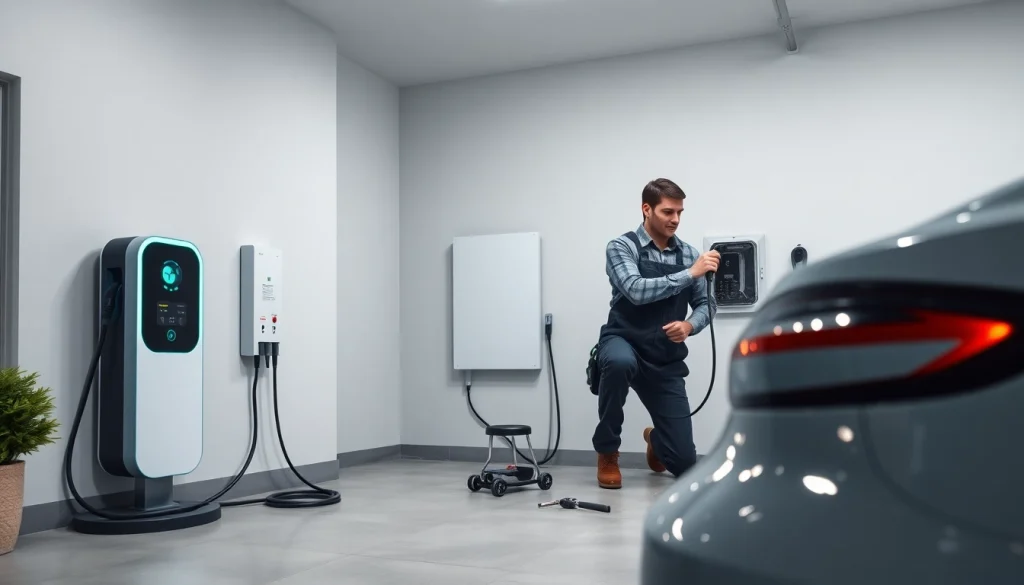
Understanding EV Charger Installation Costs
As electric vehicles (EVs) gain popularity, the need for effective home charging solutions has become increasingly important. Understanding the costs associated with installing an EV charger at your home is essential for any EV owner. Factors that influence these costs encompass the type of charger, your home’s electrical system, installation complexity, and any potential upgrades needed. When exploring options, EV charger installation estimates can provide comprehensive insights that help homeowners make informed decisions.
What Factors Influence EV Charger Installation Estimate
Numerous factors contribute to the overall cost of EV charger installation. Here are key considerations that can affect your estimate:
- Charger Type: The price of the charger itself can range significantly based on whether you choose a Level 1 or Level 2 charger. Level 2 chargers, which are more common for home use, typically cost more but offer faster charging times.
- Electrical System Compatibility: An inspection of your existing electrical panel and wiring is crucial. If your home needs electrical upgrades to accommodate the charger, this can increase your installation costs.
- Installation Complexity: The distance from the electrical panel to the charger location and the routing of wiring can affect labor costs. More complex installations require more time and expertise, leading to higher expenses.
- Permits and Inspections: Depending on local regulations, you may need permits for installation, which can add to the overall cost.
- Labor Costs: Hiring a licensed electrician is necessary for safety and compliance, and labor rates can vary based on your region.
Comparative Costs: Single-phase vs. Three-phase Installation
When installing an EV charger, one of the primary decisions is whether to opt for single-phase or three-phase systems. Single-phase installations are generally sufficient for most home charging needs, particularly for daily driving. However, three-phase systems offer faster charging speeds, which can be beneficial for those who frequently use their EV for longer trips. The cost differences can be significant:
- Single-phase: Typically, installation costs range from $800 to $1,500, including the charger.
- Three-phase: Costs can vary from $1,500 to $3,000 due to the increased complexity and higher demand on your electrical system.
Hidden Costs in EV Charger Installation
While many homeowners focus on the obvious costs, there are often hidden expenses that can impact your total budget:
- Site Preparation: If your garage or parking area requires significant preparation for laying down electrical lines, this can add to your installation costs.
- Upgrades to Electrical Panel: If your electrical panel isn’t equipped to handle the additional load, upgrading it could cost from $500 to $2,000.
- After-installation Support: Consider whether ongoing support and warranty services are included in your installation quote, as repairs post-installation can incur additional costs.
Step-by-Step Process for Your EV Charger Installation
Understanding the installation process can help ensure a smooth experience. Here’s a step-by-step guide:
Getting Started: Initial Assessment and Quote
The first step involves assessing your home’s electrical system and the desired location for the charger. Many installation services offer a free consultation, where they evaluate your existing setup. During this visit, you’ll receive a tailored quote based on your specific needs and circumstances.
Understanding Building Types and Their Impact on Installation
Your building type can significantly influence both the installation process and costs. For instance:
- Detached Houses: Typically the easiest to install, often requiring minimal modifications.
- Townhouses: May involve shared electrical systems, leading to more complex installations.
- Apartments: Residents may face additional challenges like obtaining landlord approval and navigating shared electrical infrastructure.
Preparing for Installation Day: Checklist
On the day of installation, ensure everything is ready to facilitate a quick, seamless process. A checklist can include:
- Clear the installation area for easy access.
- Ensure all necessary permits are obtained.
- Have your home electrical panel accessible for the electrician.
Common Questions About EV Charger Installation
Many homeowners have concerns about what to expect during the installation process. Here are some common questions:
What Should I Expect During the Installation?
The installation typically involves several key steps: connecting the charger to your electrical panel, mounting the charger, and ensuring compliance with local safety regulations. Your electrician will also test the charger to ensure it operates correctly before completing the project.
How Long Will the Installation Take?
Most installations generally take between two to four hours, depending on the complexity of the job. Factors that can extend this time include the condition of your home’s electrical system and the specific requirements of your installation.
Can I Install My Own EV Charger? Pros and Cons
While some individuals might consider a DIY installation to save costs, there are crucial factors to weigh:
- Pros: Potential cost savings on labor and the ability to choose your charger without service markups.
- Cons: Risks of code violations, safety issues, and potentially voiding your EV warranty if not performed to standard.
Choosing the Right EV Charger for Your Home
Choosing the most suitable charger involves evaluating various factors:
Best Charger Types for Different EV Models
Different EV models have unique charging requirements. For instance:
- Tesla: Requires a Tesla Wall Connector for optimal performance, providing fast charging with integrated features.
- General EVs: Most can utilize a Level 2 charger, but it’s important to confirm compatibility with your vehicle’s manufacturer recommendations.
Evaluating Cost vs. Features: What to Prioritize
When selecting a charger, balance costs against essential features such as:
- Charging speed
- Smart connectivity options
- Built-in safety features
How to Maximize Charging Efficiency with Solar Power
For those with solar panels, integrating them with your EV charger can reduce costs and enhance sustainability. Considerations include:
- Understanding your solar inverter’s capacity and how it can be utilized for EV charging.
- Implementing a home energy management system to optimize energy use during charging times.
Future Trends in EV Charging Solutions
As technology advances, so do the solutions available for EV charging:
Emerging Technologies in EV Charging
Innovations in charging technology are on the rise, such as:
- Wireless Charging: Offers convenient charging options without plugging in.
- Fast Charging Stations: Increasing the number of high-speed chargers in public areas for quicker charging times.
Government Incentives and Their Impact on Costs
Various government incentives exist to encourage EV adoption, including tax credits and rebates, which can help offset installation costs. It’s essential to verify eligibility and stay updated on changing policies that could benefit your installation budget.
The Future of Home EV Charger Installations
As the electric vehicle market expands, the demand for home charging solutions is expected to grow. Future installations may include more flexible payment options and advancements in battery technology that improve charging efficiency and affordability.