






Understanding Automatic Cat Feeders
What is an Automatic Cat Feeder?
An automatic cat feeder is an innovative device designed to dispense food for cats at predetermined times, ensuring convenience for pet owners and consistent feeding schedules for their feline companions. These feeders are particularly beneficial for busy individuals or families who may not always be home to feed their cats at regular intervals. Ranging from simple mechanical devices to advanced smart feeders equipped with cameras, portion control, and app connectivity, the options available cater to various needs and preferences.
Benefits of Using an Automatic Cat Feeder
The advantages of integrating an automatic cat feeder into a cat owner’s routine are numerous:
- Convenience: Automatic feeders relieve pet owners from the daily chore of feeding, allowing for more flexibility in managing time.
- Consistent Feeding Schedule: Cats thrive on routine, and automatic feeders ensure that your cat receives its meals at the same times every day.
- Portion Control: Many models allow for precise portion control, preventing overfeeding and contributing to your cat’s health.
- Reduced Anxiety: Cats can become anxious when left alone for extended times; an automatic feeder can help alleviate this problem by maintaining feeding schedules.
- Integration with Smart Home Systems: Many modern feeders can connect to mobile apps, enabling monitoring and control from anywhere.
Common Features to Look For
When choosing an automatic cat feeder, it’s essential to consider various features that enhance usability and convenience:
- Programmable Timers: Look for feeders that allow you to set specific feeding times to cater to your cat’s routine.
- Portion Control: The ability to customize the amount of food dispensed per meal helps manage your cat’s diet effectively.
- Food Type Compatibility: Ensure the feeder can accommodate your cat’s preferred type of food, whether dry, wet, or a combination.
- Built-in Cameras: Some models come equipped with cameras, allowing pet owners to monitor their cats during meal times.
- Smartphone Connectivity: Advanced models can sync with apps for remote control and notifications about your cat’s eating habits.
How to Choose the Best Automatic Cat Feeder
Types of Automatic Cat Feeders
Understanding the different types of automatic cat feeders available on the market is crucial when making a decision:
- Gravity Feeders: These are simple devices that rely on gravity to dispense food as the bowl is emptied. They don’t have timers or portion control but are easy to use.
- Timed Feeders: These feeders use a timer to dispense a set amount of food at specific intervals and are ideal for ensuring daily feeding schedules.
- Smart Feeders: Equipped with technology, these feeders connect via Wi-Fi or Bluetooth, allowing you to control feeding times and portions using a mobile app.
- Microchip Feeders: Designed for multi-cat households, these feeders open only for the pet whose microchip is recognized, preventing food theft among cats.
Key Considerations for Selecting a Feeder
When selecting an automatic cat feeder, consider the following:
- Cat’s Dietary Needs: Ensure the feeder can handle your cat’s specific dietary requirements, be it dry or wet food, and any health-related restrictions.
- Size: Choose a feeder that fits well in your living space and holds enough food for your cat’s daily requirements.
- Ease of Cleaning: Look for feeders that are easy to disassemble and clean to maintain hygiene.
- Battery Life: If the feeder requires batteries, consider models that offer long battery life or have a backup power option in case of power failure.
Top Brands and Models
Researching reputable brands known for quality and reliability is vital. Some of the top-rated brands include:
- PetSafe: Known for durability and reliable performance, PetSafe feeders come with various features like timers and easy programming.
- Whisker: Their smart feeders integrate seamlessly with a mobile app, offering insights into your cat’s eating habits.
- SureFeed: Especially recognized for its innovative microchip technology, creating a secure feeding environment for single pet households.
- Petkit: Focusing on smart technology, Petkit offers feeders with AI cameras and customizable feeding schedules.
Setting Up Your Automatic Cat Feeder
Installation and Configuration Tips
The installation process for an automatic cat feeder varies, but basic steps generally include:
- Choose an appropriate location away from high-traffic areas to provide a calm environment for your cat.
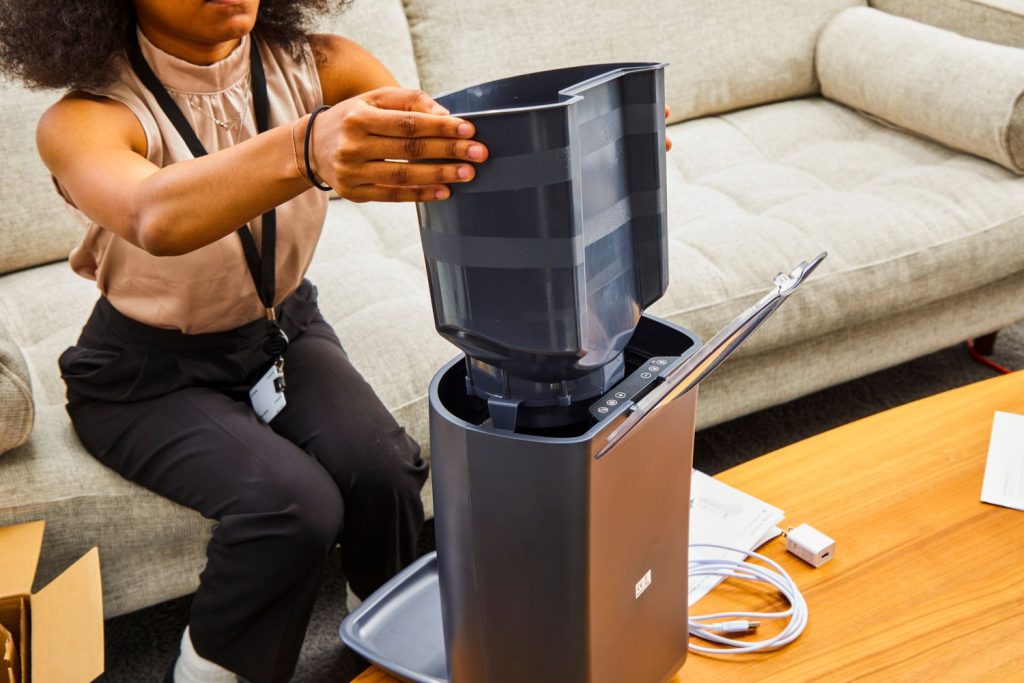
- Assemble the feeder according to the manufacturer’s instructions, ensuring all parts fit securely.
- Plug the feeder in (if applicable) or insert batteries and test to ensure it operates correctly before introducing it to your cat.
Understanding Portion Control and Meal Scheduling
Understanding how to optimize portion control and meal scheduling is essential for your cat’s health. Most automatic feeders allow you to set specific meal sizes and times. For example:
- For weight management, set smaller, frequent meals to prevent overeating.
- Ensure you adhere to your veterinarian’s recommendations regarding dietary needs.
- Monitor how your cat adjusts to the feeder—some cats may require an adjustment period.
Integrating with Your Cat’s Feeding Routine
Integrating the automatic feeder into your cat’s existing routine is essential for success. Gradually introducing the new feeding method can help ensure a smooth transition:
- Start by placing the automatic feeder in the same spot as the traditional feeding bowl.
- Communicate the change to your cat slowly, allowing it to explore the feeder freely and become familiar with its operation.
- Maintain the scent of your cat’s favorite food by placing it in the new feeder initially, possibly alongside their conventional bowl.
Maintaining Your Automatic Cat Feeder
Cleaning and Care Instructions
Regular cleaning is crucial to ensure the feeder functions properly and promotes good hygiene:
- Disassemble the feeder according to the manufacturer’s guidelines and hand wash the parts with warm, soapy water.
- Make sure to clean any feeding components, including the bowl, food hopper, and any electronic parts that are safe to clean.
- Inspect for any food residue or build-up that might impede the feeder’s functionality.
Troubleshooting Common Issues
Common issues with automatic feeders can undermine their effectiveness. Here’s how to troubleshoot:
- Feeder Not Dispensing Food: Check if the food is correctly jammed, and ensure the timer is set correctly.
- Food Spillage: Make sure the tray is positioned correctly and cleaned regularly to prevent residue build-up.
- App Connectivity Issues: Reset your feeder and ensure it is within range of your Wi-Fi network.
When to Replace or Upgrade
Understanding when it’s time to replace or upgrade your automatic cat feeder can save you from unforeseen frustrations:
- If you notice increasingly frequent malfunctions after trying to troubleshoot, it may be time for a new feeder.
- New technology emerges rapidly. If your current feeder lacks essential modern features (like mobile app connectivity), consider upgrading.
- After several years of usage, assess the feeder’s condition and effectiveness to determine if a replacement is warranted.
The Impact of Automatic Feeders on Cat Health
Are Automatic Feeders Right for Your Cat?
Evaluating whether an automatic feeder is suitable for your cat involves considering its specific needs and behavior. Factors to consider include:
- Age and activity level: Older cats or those with lower activity needs may benefit from portion-controlled feeding.
- Health conditions: Cats with diabetes or obesity may require more controlled feeding times.
- Feeding preferences: Some cats prefer to graze, while others respond better to scheduled meal times.
Consulting with a Veterinarian
It’s always wise to consult with a veterinarian when making substantial changes to your cat’s diet:
- Discuss specific dietary needs and any health conditions that may affect feeding.
- Get recommendations for the appropriate portion sizes and feeding schedules based on your cat’s health.
- Understand any contraindications that might arise from using an automatic feeder.
Success Stories and User Feedback
User experiences with automatic feeders can provide meaningful insights. Here are a few highlights:
- Successful Transition: Many users report successful transitions for their cats, praising the adjustable portions and the peace of mind that comes from a consistent feeding schedule.
- Improved Health: A significant number of pet owners have noted weight management improvements in their cats after switching to automated feeding systems.
- Reduced Waste: Automatic feeders often lead to less food waste as food is dispensed in controlled amounts, keeping the food fresh.