
Understanding Gardening Basics
Gardening is not merely the act of planting; it encompasses a rich blend of knowledge, skill, and passion that can transform an environment into a flourishing ecosystem. Understanding the basics of Gardening lays a foundation for any gardener, whether you’re starting with a small balcony or a large backyard. This article will delve deep into essential gardening concepts, preparation techniques, maintenance, addressing common issues, and advanced gardening approaches to elevate your green thumb.
When embarking on your gardening journey, it’s essential to grasp key concepts that impact the growth of your plants. To begin with, you must consider Gardening as a blend of art and science, where creativity meets natural principles. Understanding the interplay between the elements of nature and how they affect plant health is crucial.
Key Elements of Healthy Gardening
Healthy gardening is predicated on various elements, including soil health, plant selection, sunlight, and water. Each of these components plays a vital role in ensuring a thriving garden.
- Soil Health: The foundation of any garden, soil must be nutrient-rich and well-aerated. A diverse soil profile encourages robust plant growth.
- Plant Selection: Choosing plants suited to your local climate and soil conditions is vital. Native plants often require less maintenance and are more resilient.
- Sunlight: Understanding sunlight patterns in your garden area helps in positioning plants based on their sunlight needs, whether full sun, partial shade, or full shade.
- Watering: Adequate and appropriate watering techniques prevent plant stress and promote healthy growth.
Assessing Soil Quality for Gardening Success
Assessing soil quality is one of the most critical steps in setting up a garden. Here’s how you can effectively assess and improve your soil:
- Start by conducting a soil test to measure pH levels, nutrient content, and organic matter.
- Examine soil texture, which affects drainage and moisture retention. Sandy soils drain quickly while clay soils retain moisture.
- Incorporate organic matter, such as compost or aged manure, to improve soil structure and fertility.
- Consider adding amendments based on the soil test results to balance nutrient levels efficiently.
Preparing Your Garden Space
Preparation is key to gardening success. The way you set up your garden will significantly affect how plants thrive.
Site Selection and Sunlight Analysis for Gardening
Choosing the right site involves more than just finding an area with soil; it’s about understanding environmental factors:
- Sunlight: Observe sunlight exposure at different times of day. Most vegetables require 6-8 hours of direct sunlight, while others may thrive in shaded areas.
- Microclimates: These are small areas with different climate characteristics. Consider factors like wind, humidity, and temperature variations within your garden site.
- Aspiration: The accessibility of resources like water and proximity to your home affects how often you’ll be able to tend to your garden.
Soil Preparation Techniques in Gardening
Once the site is chosen, soil preparation begins. Here are effective techniques:
- Testing & Amending: Regularly test your soil and amend it based on specific nutrient deficiencies.
- Tilling: This helps aerate the soil but be cautious, as over-tilling can damage beneficial microorganisms.
- Layering: Incorporating a mixture of organic materials will improve texture and nutrient availability.
Creating Garden Layouts for Optimal Growth
Your garden’s layout can affect plant density, sunlight exposure, and airflow. Here are some strategic approaches:
- Raised Beds: Ideal for controlling soil quality and extending the growing season.
- Row Gardening: Suitable for larger spaces, allowing easy access for weeding, watering, and harvesting.
- Companion Planting: Certain plants grow better together, reducing pests and improving growth.
Watering and Maintenance Practices
Effective watering and maintenance are crucial for long-term garden success. Here we explore various aspects:
Effective Watering Strategies for Gardening
Water deeply but less frequently to encourage root growth. Here are excellent watering strategies:
- Drip Irrigation: This minimizes water waste and delivers moisture directly to the plant roots.
- Mulching: A layer of organic mulch can help retain soil moisture and regulate temperature.
- Timing: Watering early in the morning helps prevent evaporation and fungal diseases.
Weeding: Essential for Gardening Health
Weeds can compete with your plants for nutrients and water. Here’s how to manage them:
- Regular Monitoring: Check for weeds weekly and remove them by hand or with tools to prevent seed spread.
- Mulching: Applying mulch suppresses weed growth and reduces the need for weeding.
- Weed Barriers: Landscape fabric or cardboard can block weeds before planting.
How to Mulch and Fertilize Your Garden
Proper mulching and fertilization can vastly improve plant health:
- Choosing Mulch: Organic mulches break down over time and enrich your soil; inorganic mulches last longer but don’t improve soil health.
- Fertilization: Use slow-release organic fertilizers to minimize nutrient leaching and promote gradual uptake by plants.
- Timing: Fertilize during the growing season when plants show active growth.
Dealing with Pests and Diseases
Gardeners often face challenges from pests and diseases. Being prepared can make a significant difference in maintaining a healthy garden.
Common Pests in Gardening and How to Manage Them
Recognizing and addressing pest problems early is essential. Common pests include:
- Aphids: These small pests can suck plant sap, weakening plants. Encourage beneficial insects or use insecticidal soap for control.
- Slugs and Snails: These pests can devour leaves quickly. Hand-picking and using barriers can help combat them.
- Whiteflies: They can be managed with yellow sticky traps and natural predators.
Recognizing and Treating Plant Diseases in Gardening
Fungal and bacterial diseases can ravage gardens if left untreated:
- Proper Identification: Learn to recognize disease symptoms like wilting, discoloration, or lesions on plant leaves.
- Regular Maintenance: Ensuring good airflow and spacing can minimize fungal diseases.
- Organic Treatments: Explore homemade remedies or organic fungicides to treat outbreaks sustainably.
Preventive Measures for a Healthy Garden
Preventing pest and disease outbreaks is more effective than treating them:
- Crop Rotation: Rotating crops annually can disrupt pest and disease cycles.
- Plant Diversity: Mixing plants can deter pests and boost the resilience of your garden.
- Regular Inspections: Frequent checks can help identify issues before they spread.
Advanced Gardening Techniques
Once you grasp the basics and feel confident in your skills, consider exploring advanced gardening techniques to further enhance your success.
Companion Planting Strategies in Gardening
Companion planting takes advantage of plant relationships to improve growth and deter pests:
- Mutual Benefits: Certain plants, such as tomatoes and basil, thrive together due to complementary nutrient needs and pest-repelling qualities.
- Error Correction: Research and experiment to discover which plants help each other the most in your specific garden context.
- Documentation: Keeping a journal to track successful combinations can help hone your companion planting skills over time.
Vertical Gardening for Limited Space
Vertical gardening can be a perfect solution for gardeners with limited space:
- Choosing the Right Structure: Use trellises, wall planters, or hanging pots to save ground space.
- Plants for Vertical Gardening: Climbing plants like peas and beans can flourish in these setups, maximizing yield.
- Accessibility: Ensure that your vertical setup allows for easy access to plants for watering, pruning, and harvesting.
Using Technology to Enhance Gardening Efficiency
Technology can streamline and enhance gardening practices:
- Smart Watering Systems: Consider systems that automatically water based on moisture levels in the soil.
- Garden Apps: Various applications can help you monitor plant health, track growth, and remind you when to water or fertilize.
- Sensors and Drones: For larger gardens, sensors can help monitor soil conditions, while drones can assess the overall health of the garden.
Related Posts
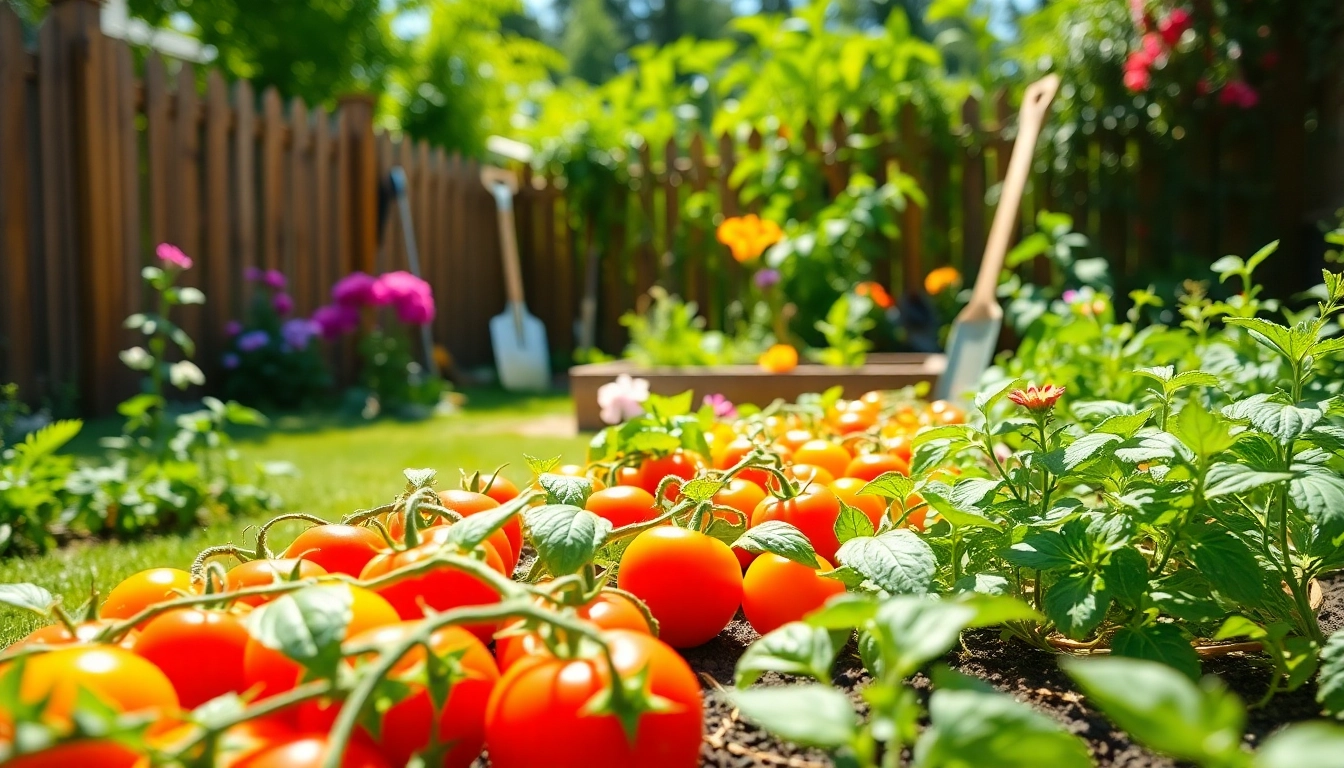
Essential Gardening Tips for Flourishing Urban Gardens
Getting Started with Gardening Basics Gardening is an enjoyable and…

Essential Steps to Achieve a Successful Home Renovation
Understanding the Basics of Home Renovation Home renovation has become…
Transform Your Bathing Experience with a Sunny Shower for Ultimate Relaxation
Understanding the Sunny Shower Concept What is a Sunny Shower?…