Introduction to Motorcycle Windshield Angle
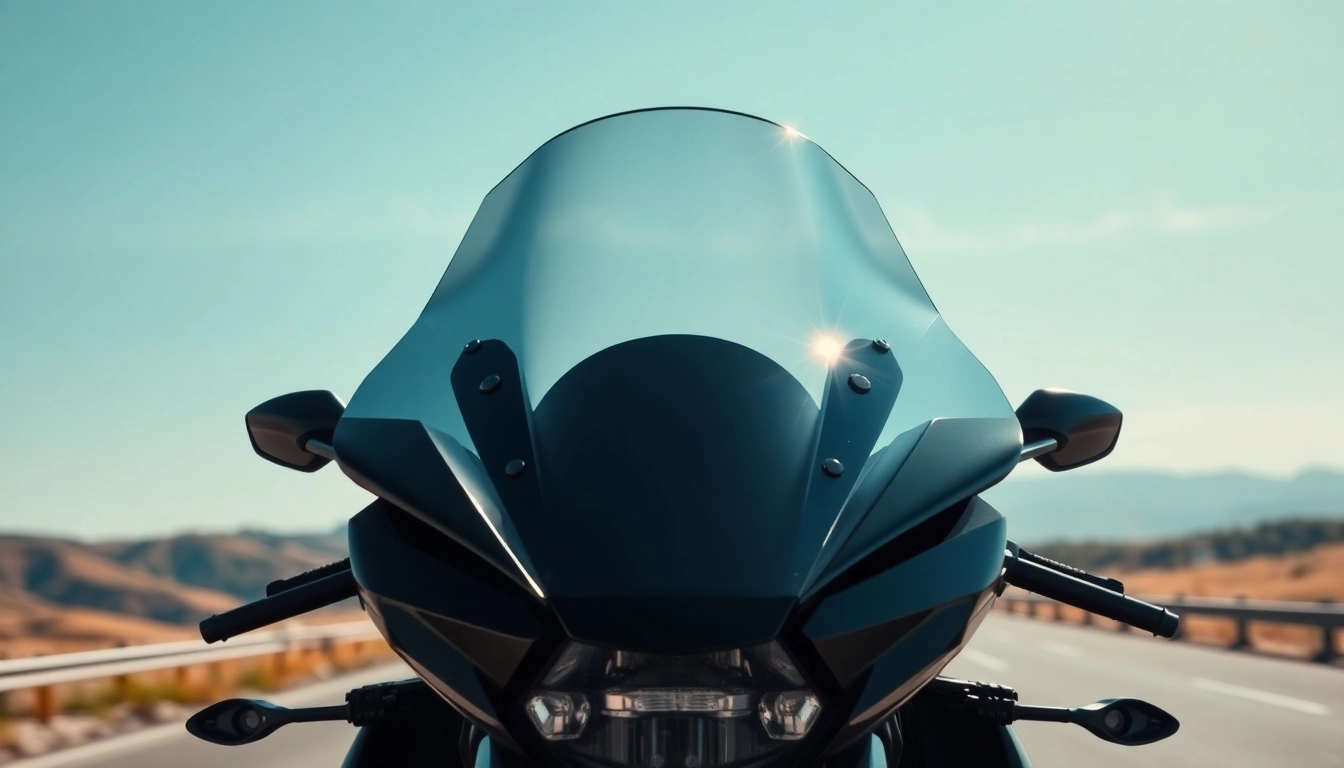
For motorcycle enthusiasts, the experience of riding is often about freedom and adventure. However, these experiences can be significantly influenced by the motorcycle windshield angle. This crucial aspect not only affects the aerodynamics of the motorcycle but also the overall riding comfort and safety. Understanding the motorcycle windshield angle is essential for any rider seeking to optimize their motorcycle setup.
Importance of Windshield Angle in Riding
The angle of the windshield serves several functions. Primarily, it is designed to redirect wind away from the rider, reducing fatigue and allowing for a more enjoyable ride. An improperly adjusted angle can result in buffeting, which can be distracting and uncomfortable, especially during long rides. Additionally, the right windshield angle can improve the overall aerodynamics of the motorcycle, enhancing stability at higher speeds.
Types of Motorcycle Windshields
Motorcycle windshields come in various styles and materials, each serving different purposes. From full fairings to sport windshields, understanding the types available is essential for making an informed choice:
- Full Windshields: These provide maximum protection and are often adjustable.
- Sport Windshields: Designed for a more aggressive riding posture, offering less wind protection but a sleeker look.
- Cruiser Windshields: Typically shorter, suitable for relaxed riding positions.
- Adventure Windshields: Built for rugged use, these are often adjustable for different riding conditions.
Basic Principles of Aerodynamics
Understanding the principles of aerodynamics is key to comprehending how windshield angle affects riding. Aerodynamics involves the study of how gases interact with moving bodies. In motorcycle riding, several forces come into play, including drag and lift. The optimal windshield angle can help minimize drag, allowing the motorcycle to cut through the wind, enhancing speed and fuel efficiency.
Factors Influencing Motorcycle Windshield Angle
Rider Height and Position
Rider height is a significant factor when determining the optimal windshield angle. Taller riders may find that a steeper angle enhances airflow over their helmets, while shorter riders might prefer a flatter angle to avoid turbulence. Understanding personal ergonomics helps tailor the riding experience to individual needs.
Motorcycle Type and Design
The design of the motorcycle also plays a pivotal role in determining the best windshield angle. Sportbikes, cruisers, and adventure bikes have different geometries and riding positions. Sportbikes, with their forward-leaning posture, may benefit from aggressive windshield angles, while cruisers may necessitate a more laid-back configuration.
Weather Conditions Impact
Weather conditions can significantly influence how windshields perform. In windy situations, a steeper angle might reduce resistance against headwinds, while in calm conditions, a flatter angle could suffice. Seasonal changes should be considered when adjusting the windshield for maximum effectiveness.
Adjusting Motorcycle Windshield Angle for Optimal Performance
Tools Required for Adjustment
Adjusting the motorcycle windshield angle requires minimal tools, often just a screwdriver or an Allen wrench, depending on the model of the motorcycle. It’s essential to have these tools ready before making adjustments.
Step-by-Step Adjustment Guide
To achieve the desired windshield angle, follow these steps:
- Identify the Adjustment Mechanism: Most windshields have adjustable brackets or screws.
- Prepare the Tools: Gather the necessary tools for the adjustment.
- Adjust the Angle: Loosen the screws and adjust to the preferred angle.
- Tighten and Test: Once adjusted, tighten the screws and test the riding position to ensure comfort and performance.
Common Mistakes to Avoid
When adjusting the windshield angle, it’s important to avoid certain pitfalls:
- Failing to test the adjustment while riding.
- Over-tightening screws, which can damage the brackets.
- Ignoring personal comfort and visibility needs during adjustments.
Evaluating the Effects of Motorcycle Windshield Angle
Performance Metrics and Feedback
After adjustments have been made, evaluating the change in performance is critical. Riders should pay attention to factors such as wind resistance, noise levels, and overall comfort. Keeping a riding journal to note these metrics can be helpful.
Rider Comfort and Safety Considerations
Safety and comfort should always be prioritized. A properly adjusted windshield not only enhances comfort but also contributes to safety. Riders should ensure that their line of sight remains clear and unobstructed at all times.
Adjustments Based on Riding Style
Different riding styles require different windshield angles. For example, touring riders may prefer a more upright angle for better comfort over long distances, while sport riders might favor an angle that reduces drag. Understanding your riding style can help optimize the motorcycle windshield angle accordingly.
Future Trends in Motorcycle Windshield Design
Innovative Materials and Technologies
The motorcycle industry continues to evolve, with innovative materials and technologies being developed. Lightweight, shatter-resistant plastics and advanced coatings are being incorporated into new designs to improve durability and performance.
Customizable Windshield Options
As riders become more discerning in their needs, customizable windshield options are becoming increasingly popular. Manufacturers are now offering adjustable windshields that can be tailored to individual rider specifications, providing a more personalized experience.
Impact of Technological Advancements on Windshield Performance
Technological advancements, including simulation software and wind tunnel testing, are allowing manufacturers to create more efficient designs. As technology improves, we can expect more aerodynamic shapes that will continue to enhance the ride experience.
Conclusion
Understanding the motorcycle windshield angle is vital for any rider looking to enhance their riding experience. By taking into account factors like rider height, motorcycle type, and even weather conditions, riders can make informed adjustments that lead to improved aerodynamics, comfort, and safety. As technology advances, future innovations promise to elevate windshield design even further, ensuring every ride remains both exhilarating and enjoyable.