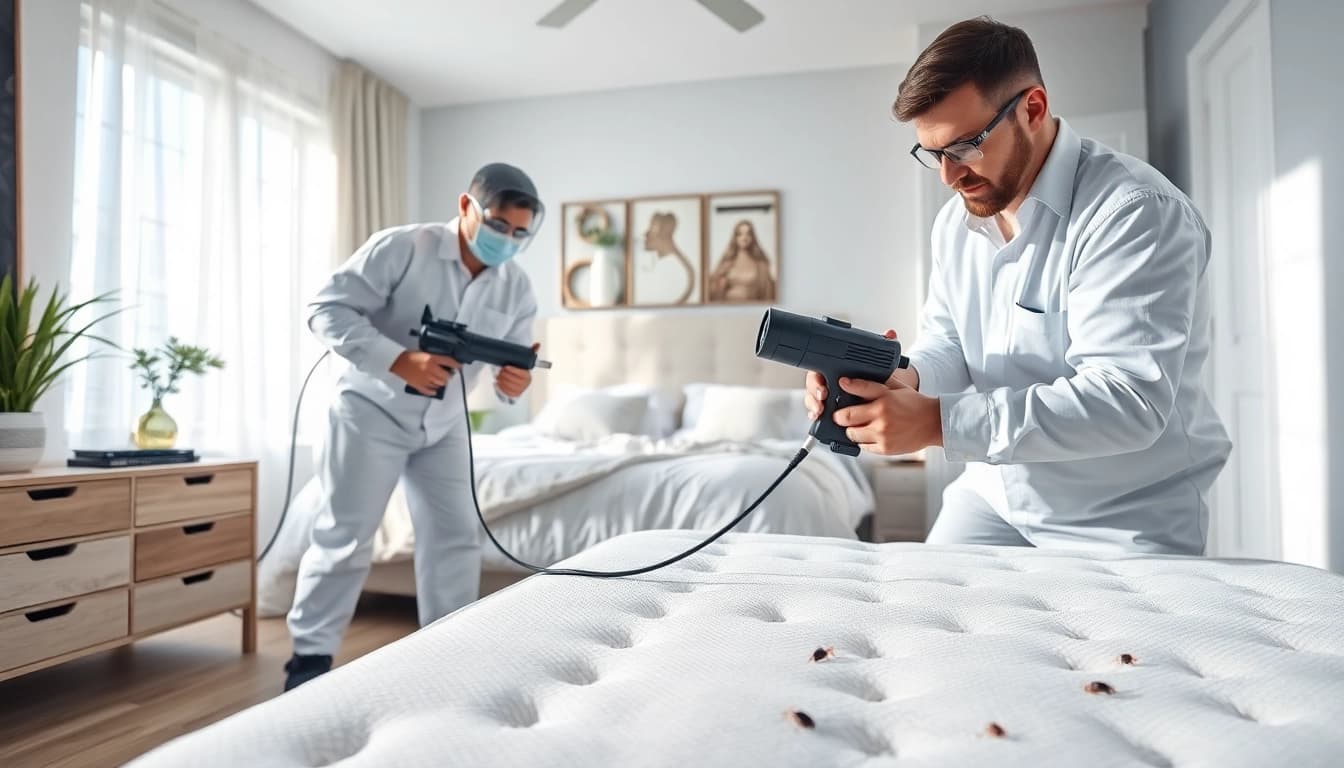
Understanding Bed Bug Infestations
What Are Bed Bugs?
Bed bugs, scientifically known as Cimex lectularius, are small, wingless insects that belong to the family Cimicidae. Typically brown or reddish-brown, adult bed bugs measure about 4 to 5 millimeters in length. Their flattened bodies enable them to hide in narrow crevices during the day, while they emerge at night to feed on the blood of humans and animals. Due to their nocturnal feeding habits, bed bugs are often left undetected until an infestation becomes severe. These pesky pests primarily inhabit areas close to sleeping surfaces, such as mattresses, box springs, bed frames, and even in the seams of upholstered furniture. Bed bugs have a remarkable resilience, allowing them to endure extended periods without food, sometimes up to several months. This adaptability contributes to their troublesome nature, making it imperative to act swiftly at the first sign of an infestation.
Signs of an Infestation
Identifying a bed bug infestation early can significantly improve the chances of effective removal. Key signs include: 1. Bite Marks: Bed bug bites often appear as small, red welts clustered in groups on the skin. 2. Blood Stains: You may notice small dark or reddish spots on your bedding or mattress, which are dried blood from bed bug feeding. 3. Fecal Spots: Bed bug excrement looks like tiny black or brown specks scattered in areas where they reside. 4. Eggs and Shed Skins: Small, white, and oval-shaped eggs may be found in cracks and crevices, along with the exoskeletons they shed as they grow. An immediate response is crucial at the first detection of these signs to mitigate a more extensive infestation.
Health Risks Associated with Bed Bugs
While bed bugs are not known to transmit diseases, their bites can cause various health issues and discomfort. Common effects include: - Allergies: Some individuals may experience allergic reactions to bed bug bites, leading to intense itching, swelling, and rashes. - Secondary Infections: Excessive scratching of bites can lead to skin infections, requiring medical attention. - Anxiety and Insomnia: The stress and anxiety caused by the presence of bed bugs can significantly impact one's mental health and sleep quality. Understanding these health risks highlights the importance of seeking professional assistance from qualified bed bug exterminators for effective management.
Choosing Professional Bed Bug Exterminators
Why Hire Professionals?
Dealing with a bed bug infestation can be overwhelming, and many homeowners may feel tempted to tackle the issue using DIY methods. However, there are significant advantages to hiring professionals. Professional exterminators have extensive knowledge and experience in identifying and treating bed bug infestations. They can conduct a thorough inspection to determine the severity of the issue and develop a targeted treatment plan that is safe and effective. Additionally, professionals have access to high-grade pesticides and advanced techniques that the average homeowner might not be able to utilize effectively. Moreover, many exterminators offer warranty services that will ensure future infestations are dealt with promptly, providing you with peace of mind.
What to Look for in Exterminators
When selecting a bed bug exterminator, consider the following factors to ensure you choose a competent professional: 1. Credentials and Certifications: Look for companies that are registered and licensed to provide pest control services in your area. 2. Experience: Choose exterminators with substantial experience specifically dealing with bed bugs. 3. Treatment Methods: Inquire about the methods they use. Exterminators should have a range of treatment options, including heat treatments, pesticides, and non-chemical solutions. 4. Reviews and References: Check online reviews and ask for references to gauge the effectiveness and reliability of the company's services. 5. Follow-up Treatments: A reputable company should provide follow-up treatments to ensure complete eradication. Making an informed decision can greatly enhance the chances of a successful bed bug eradication process.
Common Treatment Methods
There are several effective methods for treating bed bug infestations: 1. Heat Treatment: This method involves raising the temperature of the infested area to a level lethal for bed bugs. It is one of the most effective solutions, typically requiring temperatures above 120°F (49°C) for several hours to ensure pests are eradicated at all life stages. 2. Chemical Treatments: Exterminators may use a variety of insecticides designed specifically for treating bed bugs. These chemicals can be sprayed in areas where bed bugs are suspected, alongside residual pesticides that continue to work over time. 3. Integrated Pest Management (IPM): IPM combines multiple strategies to control bed bugs effectively. This may include monitoring, sanitation, and a mix of chemical treatments and non-chemical methods to reduce the overall pest population sustainably. 4. Encasements: Professional exterminators often recommend using encasements on mattresses and box springs to trap any existing bed bugs and prevent new infestations from taking root. Selecting the right treatment method will depend on the severity of the infestation and the specific circumstances of each case.
Preparing for Extermination Services
Steps to Take Before Treatment
Preparation is critical for achieving successful bed bug extermination. Here are steps homeowners should take prior to treatment: - Declutter the Area: Remove unnecessary items from the infested area to allow easy access for the exterminators. - Launder Bedding: Wash all bedding and clothing in hot water and dry them on the highest heat setting to kill any bed bugs or eggs. - Vacuum Thoroughly: Vacuum carpets, floors, and furniture to remove any visible bed bugs and eggs. Dispose of the vacuum bag immediately to prevent re-infestation. - Move Furniture: Relocate furniture away from walls to create a work area for the exterminators and ensure they can access all infested zones. By taking these precautionary measures, homeowners can enhance the efficiency of the extermination process.
Questions to Ask Your Exterminator
Prior to finalizing the extermination appointment, it’s essential to ask your exterminator the following questions: 1. What is your approach to bed bug treatments? 2. How long will the treatment process take? 3. What can I expect during the treatment? 4. Do I need to vacate my home during treatment, and for how long? 5. What are your warranties for follow-up treatments? Knowing the answers to these questions will establish clear expectations and make the process smoother for everyone involved.
What to Expect During the Process
During the extermination process, homeowners should be prepared for the following: - Initial Inspection: The exterminator will conduct a thorough inspection to confirm the presence of bed bugs and identify infested areas. - Consultation: After the inspection, the exterminator will discuss the findings with the homeowner and recommend suitable treatment options. - Treatment Application: Depending on the method chosen, the exterminator will apply heat, chemicals, or other techniques to eradicate the pests. - Follow-Up Visits: It is common for exterminators to schedule follow-up visits to ensure the bed bugs have been thoroughly eliminated. Understanding the treatment process can help alleviate concerns and create a cooperative atmosphere between the exterminators and homeowners.
Post-Treatment Care and Prevention
How to Prevent Future Infestations
After successful extermination, it’s important to adopt strategies that will help prevent future infestations: 1. Regular Inspections: Conduct routine inspections of your bedding, furniture, and other potential hiding spots to catch any early signs of bed bugs. 2. Encasements: Continue using mattress and box spring encasements to create a barrier against potential reinfestation. 3. Be Cautious When Traveling: Always inspect hotel rooms and luggage after traveling to avoid bringing bed bugs home. 4. Maintain Clutter-Free Spaces: Keeping rooms tidy can minimize hiding spaces that bed bugs favor. By following these preventive measures, homeowners can significantly lower the risk of future infestations.
Aftercare for Treated Areas
After treatment, there are several key actions to ensure the treated areas remain free of bed bugs: - Avoid Replacing Bedding Immediately: Wait several weeks to reintroduce bedding or clothing to the area to confirm that the infestation has been completely eradicated. - Continue Monitoring: Regularly check for any new signs of bed bugs for at least a few months after treatment. - Keep the Area Clean: Regular vacuuming and overall cleanliness will deter bed bugs from returning. Implementing these practices will enhance the long-term success of the treatment.
Monitoring for Recurrence
It’s important to stay vigilant for any signs of bed bugs after treatment. Consider using bed bug monitors which can help detect any bed bugs that may have gone unnoticed. If signs of re-infestation appear, contact your exterminator immediately. This continued vigilance will safeguard your home against a new infestation and ensure a peaceful living environment.
Frequently Asked Questions about Bed Bug Exterminators
How long does a treatment take?
The duration of a treatment session varies usually from 1 to 4 hours depending on the infestation's severity and the methods used. Follow-up treatments may be scheduled further down the line.
What are the costs involved?
Costs of bed bug extermination vary based on the size of the infestation, treatment method used, and the company selected, ranging typically from several hundred to a few thousand dollars.
How effective is heat treatment?
Heat treatment is highly effective, with success rates of over 95%. It utilizes high temperatures to kill all stages of bed bugs when conducted properly.
Do I need to leave my home during treatment?
In most cases, it is recommended that residents vacate the premises during heat treatments due to elevated temperatures. Chemical treatments may have specific advisory guidelines from the exterminator.
What preparations should I make?
Preparations include decluttering, vacuuming, washing linens, and informing your exterminator about infestations in other areas of your living environment.