
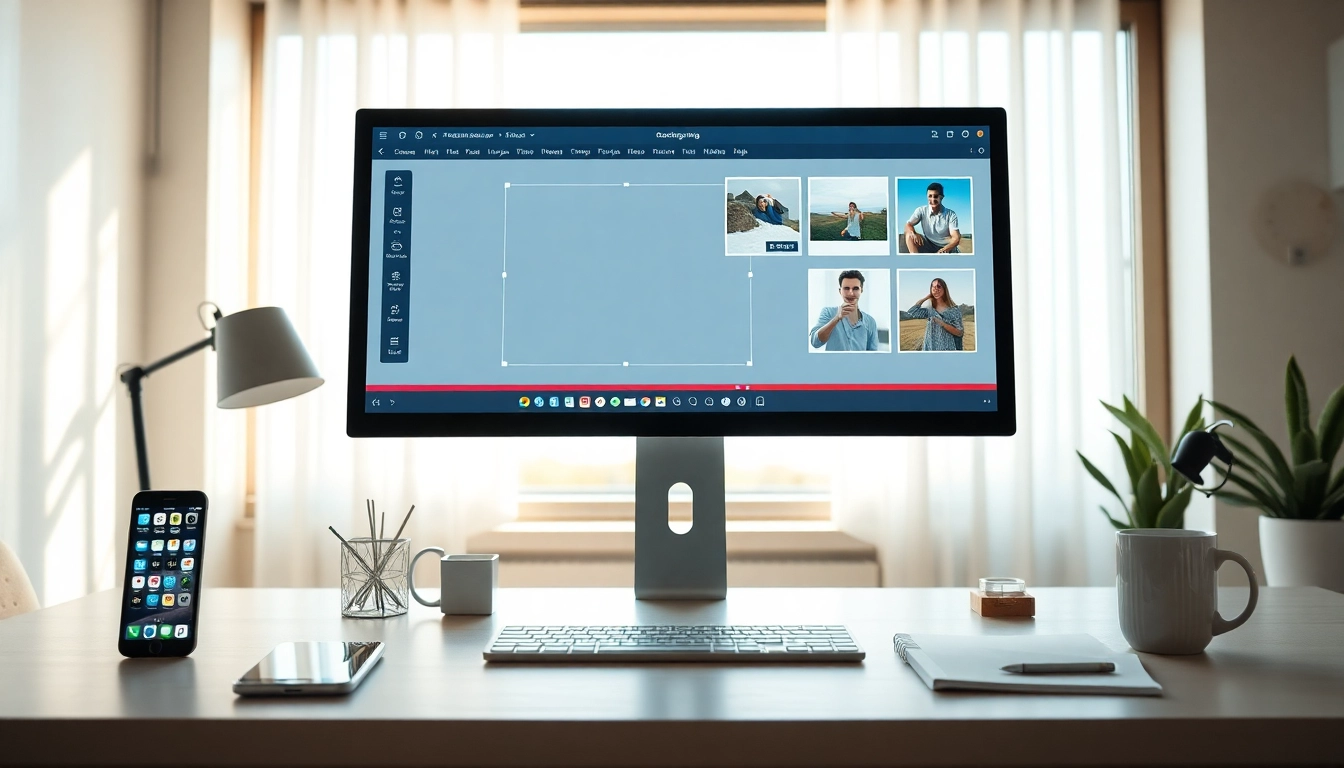
Understanding the Basics of How to Crop an Image
When it comes to photography and graphic design, cropping can be one of the most transformative techniques at your disposal. Cropping not only helps refine an image's composition but also enhances its visual impact by removing unnecessary elements. In the digital age, the ability to crop image effectively has become essential for creators looking to produce high-quality visuals. This comprehensive guide will explore various cropping methods, best practices, common pitfalls, and advanced tools to elevate your image editing skills.
What Does It Mean to Crop an Image?
Cropping is the process of trimming an image to improve its framing or composition. This could involve removing distracting backgrounds, focusing on a subject, or altering the dimensions of an image to fit specific requirements. The aim of cropping is not just to cut away parts of the image but to create a more cohesive and aesthetically pleasing whole.
The Importance of Cropping for Composition
Composition plays a critical role in visual storytelling. By cropping, you can emphasize your subject, guide the viewer's eye, and create a more dynamic scene. Well-crafted compositions convey emotion, highlight key details, and establish a connection with the audience. For instance, when photographing a person, cropping too tightly can create a disconcerting feel, while allowing for some background can provide context and depth.
Different Types of Cropping Techniques
- Standard Rectangular Cropping: The most common form, usually done with a set aspect ratio.
- Freeform Cropping: Allows for an irregular shape, perfect for artistic expression.
- Circular Cropping: Ideal for profile pictures or unique layouts.
- Smart Cropping: Utilizes algorithms to find the most visually appealing section of an image.
How to Crop an Image like a Pro
Step-by-Step Guide to Cropping Images
To ensure you crop images like a professional, follow these steps:
- Select Your Image: Choose a high-resolution image to start with; low-quality images can look worse when cropped.
- Upload to a Cropping Tool: Use an online tool or software that allows for precise cropping.
- Choose the Crop Tool: Use the cropping feature to select the area you want to keep.
- Adjust Your Crop: Move and resize the crop box until satisfied with the composition.
- Apply the Crop: Once satisfied, apply the crop and save your image in the desired format.
Best Practices for Cropping for Social Media
Social media platforms often have specified image sizes for optimal engagement. Here are some best practices:
- Know Your Platform: Each platform has recommended dimensions; adhere to these guidelines for best results.
- Focus on Composition: Use the rule of thirds to draw attention to focal points.
- Test with Multiple Crops: Experiment with different crops to see which results in better engagement.
Common Mistakes to Avoid When Cropping
Many novice editors make several common mistakes when cropping images. Avoid the following:
- Cropping Too Tightly: This can lead to a loss of context and visuals that feel stifled.
- Ignoring the Aspect Ratio: Always consider the final output size, especially for prints or specific formats.
- Forgetting to Save: Always save a copy of the original file before making irreversible edits.
Exploring Advanced Cropping Tools and Features
Automated Cropping: Smart Crop Technology
Smart cropping technology leverages algorithms to analyze images and identify key focal points. This innovative approach can help users achieve professional-quality crops with minimal effort. Such tools can significantly enhance efficiency, especially for users managing large volumes of images.
Frame Shapes and Custom Crop Options
Beyond traditional rectangular crops, users can explore a variety of frame shapes—such as hearts, circles, or even stars. These non-traditional cropping shapes can add a creative flair to your projects, making them perfect for scrapbook layouts and greeting cards.
How to Crop Image Without Losing Quality
Maintaining image quality when cropping is crucial for professional results. Here are key tips to ensure high-quality outcomes:
- Start with High-Resolution Images: Always work with high-quality files to prevent pixelation.
- Use Tools with Non-Destructive Editing: Choose software that allows you to adjust crops without permanently altering the original file.
- Export in the Right Format: Depending on your use case, choose formats like PNG or TIFF for better quality retention.
Incorporating Cropped Images into Your Projects
Using Cropped Images for Graphic Design
In graphic design, cropped images can serve various purposes—from creating backgrounds to highlighting specific items in promotional materials. Effective use of cropping can set a tone and drive the overall message of the design.
Creating Eye-Catching Visuals for Marketing
Marketing campaigns thrive on engaging visuals that capture attention. Cropped images can enhance advertising by providing focused content that resonates with the target audience and supports the narrative.
Applications in Web Design and User Experience
In web design, the way images are cropped can significantly influence user experience. Properly cropped images can improve page load times and ensure a cleaner layout, which encourages longer engagement times from visitors.
Future Trends in Image Cropping
Predictions for Image Cropping Techniques in 2026
As technology evolves, so too does the way we approach image cropping. Future trends may include more sophisticated AI-driven tools that offer predictive cropping capabilities based on user behavior and preferences, ensuring that every image fits its narrative seamlessly.
AI Innovations in Image Cropping
Artificial Intelligence (AI) is set to redefine image cropping. Innovations could lead to advanced cropping techniques that consider not just the image content but also the emotional responses of viewers to optimize the cropping for maximum impact.
The Evolving Role of Cropping in Visual Storytelling
Visual storytelling is becoming increasingly essential in an age dominated by digital media. Cropping serves as a tool not just for altering image composition but also for enhancing the overall narrative within photographs and designs, making it a crucial skill for aspiring content creators.