Understanding Your Loofah
What is a Loofah?
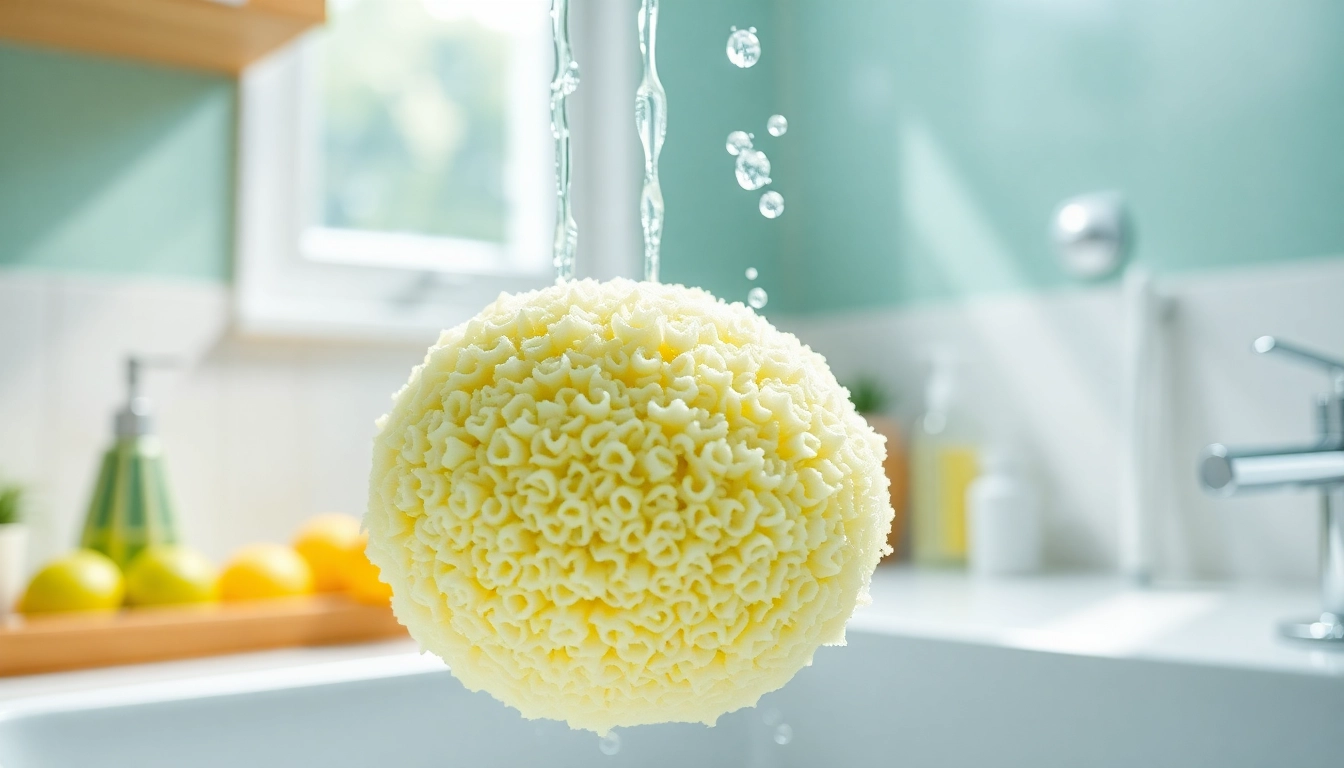
A loofah, often seen hanging in showers and bathrooms, is a natural exfoliating tool made from the dried fibers of the loofah plant (Luffa cylindrical). Unlike synthetic sponges, loofahs are biodegradable and can be composted, making them an environmentally-friendly choice for personal care. They are traditionally used for scrubbing the skin to remove dead cells, promote circulation, and create a lather when combined with soap or shower gel.
Types of Loofahs
There are primarily two types of loofahs available: the natural loofah and the synthetic loofah. Natural loofahs are derived from the gourd, offering a more textured and coarse experience. They’re ideal for deep exfoliation. Synthetic loofahs, often seen in vibrant colors and shapes, are made from nylon or polyester. They provide a softer touch and are less abrasive, making them suitable for sensitive skin. Choosing the right type can enhance your shower experience, depending on your skin type and exfoliation needs.
Why Clean Your Loofah?
Cleaning your loofah is crucial to maintaining hygiene and preventing the buildup of bacteria, mold, and fungus. These organisms thrive in wet environments, which makes loofahs a prime target without regular cleaning. Furthermore, a clean loofah ensures that your exfoliating tool functions effectively and remains safe to use on your skin. Neglecting this essential care can lead to skin irritations or infections, which can turn your relaxing shower into a health hazard. For guidance on keeping your loofah hygienic and fresh, refer to this comprehensive guide on how to clean a loofah.
Preparing for Cleaning
Gather Essential Supplies
To effectively clean your loofah, you will need to gather a few essential supplies. Depending on your chosen cleaning method, these supplies may include:
- Vinegar or lemon juice
- Baking soda
- Dish soap
- Bucket or basin
- Water (preferably warm)
- Spray bottle (optional)
- A clean towel for drying
Having these items ready will streamline the cleaning process, making it simple and efficient.
Choosing a Cleaning Method
There are several effective ways to clean a loofah. The best method depends on your personal preference and the level of cleaning required. You can opt for natural solutions like vinegar and baking soda, or conventional soap and water. Each method has its advantages, and the right choice can depend on how dirty or soiled your loofah has become.
Inspecting Your Loofah
Before proceeding to clean, inspect your loofah closely. Look for any discoloration, unusual smells, or visible mold. If your loofah has any of these signs, a more intensive cleaning process or even replacement might be necessary. Regular inspection and cleaning should be part of your bathroom routine to ensure that your loofah stays fresh and effective.
How to Clean a Loofah Naturally
Using Vinegar Solution
One of the simplest and most effective methods to clean a loofah is using a vinegar solution. To do this, follow these steps:
- Mix one part white vinegar with three parts warm water in a bowl or basin.
- Submerge your loofah in the solution and let it soak for about 30 minutes.
- After soaking, gently scrub the surface of the loofah to dislodge any embedded bacteria.
- Rinse thoroughly under warm running water until all vinegar is washed away.
- Allow your loofah to dry completely in a well-ventilated area.
This method is not only effective but also utilizes a natural disinfectant that helps eliminate germs.
Using Baking Soda
Baking soda is another excellent cleaning agent due to its natural abrasive properties. Here's how to use it:
- Sprinkle a generous amount of baking soda onto your damp loofah.
- Use your hands or a soft brush to work the baking soda into the loofah, scrubbing gently.
- Let the baking soda sit for about 15 minutes to absorb odors and attract dirt.
- Rinse thoroughly with warm water, and ensure all baking soda is washed away.
- Allow it to dry in an airy space.
This method is effective for both cleaning and deodorizing your loofah.
Maintaining Loofah Hygiene
To maintain loofah hygiene between cleanings, consider following these tips:
- Rinse your loofah thoroughly after each use to remove soap and debris.
- Squeeze out excess water after each use to keep it dry.
- Store the loofah in a dry area, ideally where it can air out, such as a shower caddy or a well-ventilated hook.
- Consider replacing your loofah every month or so, depending on frequency of use.
By adopting these practices, you're less likely to encounter built-up bacteria and mold.
Drying and Storing Your Loofah
Proper Drying Techniques
Proper drying is crucial to extending the life of your loofah and preventing bacterial growth. Here are a few recommended drying techniques:
- After use, rinse the loofah and squeeze out excess water to prevent it from becoming a breeding ground for bacteria.
- Hang your loofah in a well-ventilated area or attach it to a shower hook to ensure it dries completely.
- Consider placing it in sunlight, as UV rays can help kill germs and further dry the loofah.
Consistent drying practices will keep your loofah fresh and clean.
Ideal Storage Solutions
Storage plays a pivotal role in keeping your loofah clean. Here are some ideal storage solutions:
- Store your loofah in a dry area away from direct moisture.
- Avoid placing it in enclosed spaces like cabinets or drawers where air circulation is limited.
- Use a mesh bag or a hanging shower organizer that allows for maximum airflow.
Effective storage ensures that your loofah remains in prime condition for each use.
Signs It’s Time to Replace
Despite regular cleaning, loofahs do have a lifespan. Look for these signs to determine if it’s time to replace your loofah:
- Visible mold or dark spots that do not come off with cleaning.
- Unpleasant odors that persist even after cleaning.
- Significant wear or breakdown of the loofah texture.
- Changes in color, especially browning or darkening.
Replacing your loofah when you notice these signs is vital to maintaining skin health and hygiene.
Common Questions About Loofah Care
How Often Should You Clean a Loofah?
You should clean your loofah at least once a week. If you use it daily, consider cleaning it more frequently to prevent bacteria buildup.
Can You Use Soap to Clean?
Yes, you can use mild dish soap mixed with water to clean your loofah. Ensure you rinse it thoroughly to avoid soap residue.
Are There Alternatives to Loofahs?
Yes, alternatives include washcloths, exfoliating gloves, and synthetic sponges. Each offers unique benefits for skin care.
Can You Microwave Your Loofah for Sanitization?
You can microwave a wet loofah for about 1 minute to help sanitize it. Ensure it’s damp to avoid fire hazards.
Should You Share Your Loofah?
No, sharing loofahs can spread bacteria and fungi. It’s best to use your own for hygiene reasons.