
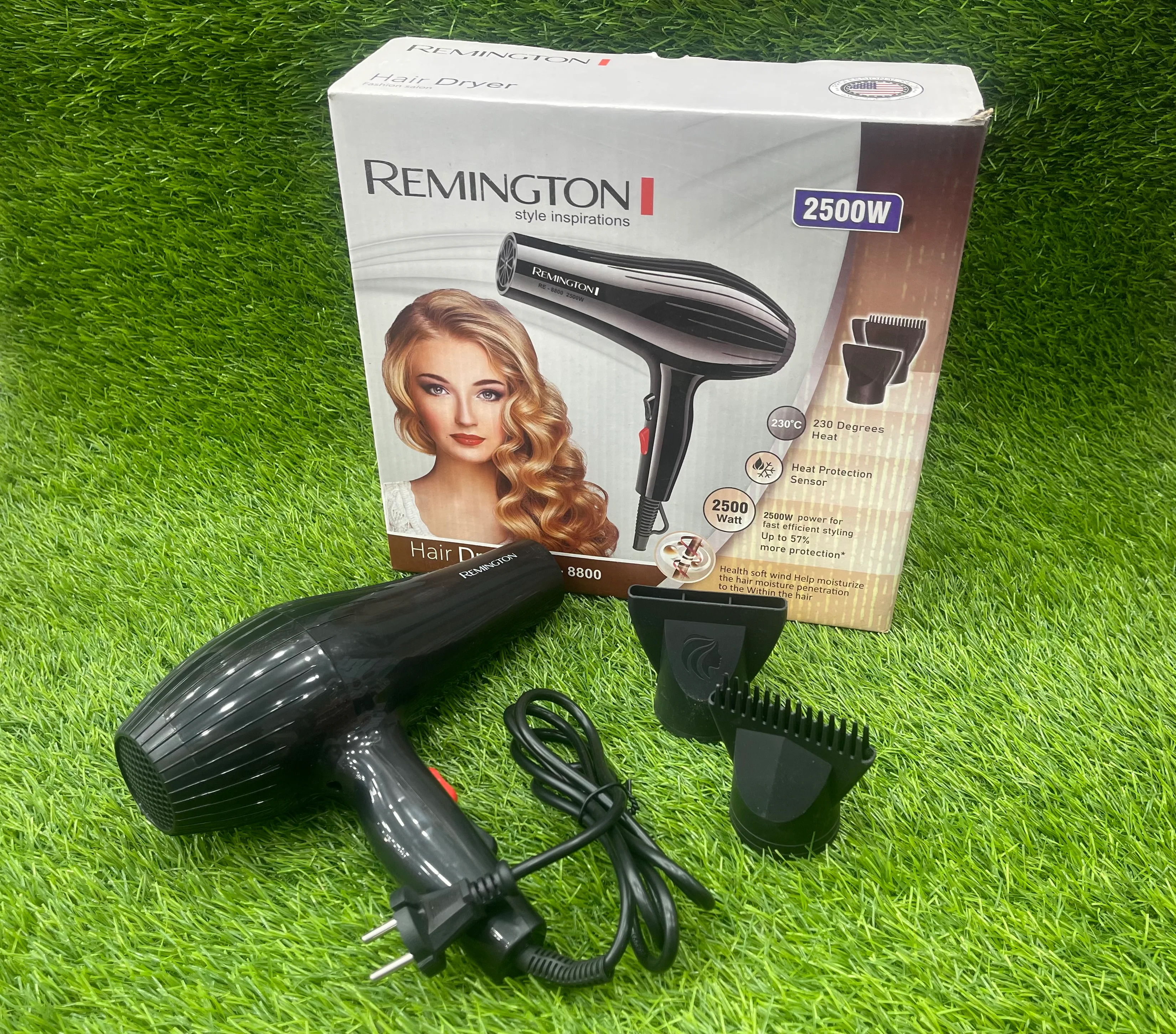
Choosing the right Hair dryer can make a significant difference in your daily hair care routine. With numerous options available, it is essential to understand the key differences between ionic and traditional models. While both types aim to dry hair efficiently, they utilize different technologies, which impact drying time, hair health, and styling results. In this article, we will explore the features, benefits, and drawbacks of each type to help you make an informed decision when purchasing a hair dryer.
Understanding Ionic Hair Dryers
Ionic hair dryers use negative ions to break down water molecules on your hair, allowing for faster evaporation. This technology reduces drying time significantly compared to traditional models. By neutralizing positive ions in your hair, ionic dryers help decrease frizz and static, leaving hair smoother and shinier. They are particularly suitable for thick, coarse, or curly hair because they can help tame flyaways and maintain hair health during frequent use. Many professionals prefer ionic hair dryers for their ability to enhance hair texture and minimize heat damage.
How Traditional Hair Dryers Work
Traditional hair dryers rely on a simple mechanism of heating air and blowing it across the hair. While effective, this method can sometimes cause hair to dry unevenly, and prolonged exposure to high heat may lead to dryness and split ends. Traditional models are often more affordable and widely available, making them a popular choice for general home use. However, they lack the specialized ion technology that helps reduce frizz and enhance shine, which can be a downside for those looking for smooth, salon-quality results.
Benefits of Using an Ionic Hair Dryer
Ionic hair dryers offer several advantages over traditional models. The primary benefit is faster drying time due to the ionization process, which can save you several minutes during your hair care routine. Additionally, the negative ions help lock in moisture, preventing excessive dryness and maintaining hair’s natural softness. These dryers are also gentler on colored or chemically treated hair, reducing the risk of damage. For anyone struggling with frizz, an ionic hair dryer can make hair appear smoother and more manageable after every use.
Benefits of Traditional Hair Dryers
Despite lacking ionic technology, traditional hair dryers have their own set of benefits. They are usually more affordable and simpler to operate, making them a practical option for everyday use. Many traditional models come with adjustable heat and speed settings, allowing for versatility in styling. They are also easier to repair or replace if needed, as their technology is more straightforward than that of ionic dryers. For individuals who occasionally dry their hair and do not face issues with frizz or static, a traditional hair dryer can perform perfectly well.
Choosing the Right Hair Dryer for Your Hair Type
Selecting the right hair dryer depends on your hair type and styling needs. For thick, curly, or frizzy hair, an ionic hair dryer is ideal due to its ability to smooth and enhance shine. On the other hand, for fine or straight hair, a traditional hair dryer may suffice, especially if used with heat protectant products. Consider factors such as frequency of use, hair health, and desired styling results when making your choice. A high-quality hair dryer can significantly improve your daily hair care routine while minimizing damage.
Comparing Drying Time and Efficiency
One of the most noticeable differences between ionic and traditional hair dryers is drying time. Ionic models generally dry hair faster because the negative ions break down water molecules more efficiently. This not only saves time but also reduces exposure to high heat, which can protect hair from damage. Traditional hair dryers may take longer, especially for thick or dense hair types, as they rely solely on hot air to evaporate moisture. Efficiency is an essential factor to consider if you have a busy lifestyle or frequently style your hair.
Impact on Hair Health
Hair health is a critical consideration when choosing a hair dryer. Ionic dryers help maintain moisture balance, reduce frizz, and minimize split ends. Traditional models, if used correctly, can also be safe, but excessive heat exposure may cause dryness and brittleness over time. Using the appropriate heat setting, along with heat protectant sprays, can help mitigate these risks. Regular use of an ionic hair dryer tends to result in smoother, shinier hair with fewer signs of damage compared to a traditional dryer.
Cost and Durability
Price is another factor to weigh when deciding between ionic and traditional hair dryers. Ionic dryers often come at a higher price due to their advanced technology, while traditional dryers are generally more budget-friendly. Durability can vary, but traditional models are typically easier to repair, and replacement parts are more accessible. When investing in a hair dryer, it is essential to balance cost with performance and long-term benefits to ensure that you get the best value.
Conclusion: Making the Best Choice
Both ionic and traditional hair dryers have unique strengths and weaknesses. Ionic dryers excel in reducing frizz, maintaining moisture, and providing faster drying times, making them ideal for thick or frizzy hair. Traditional models offer affordability, simplicity, and reliable performance, which may suit those with fine or straight hair. Understanding your hair type, styling habits, and budget can help you select the most suitable hair dryer for your needs. Ultimately, the right choice will enhance your hair care routine while keeping your hair healthy, shiny, and manageable.