Introduction to the Goechala Trek
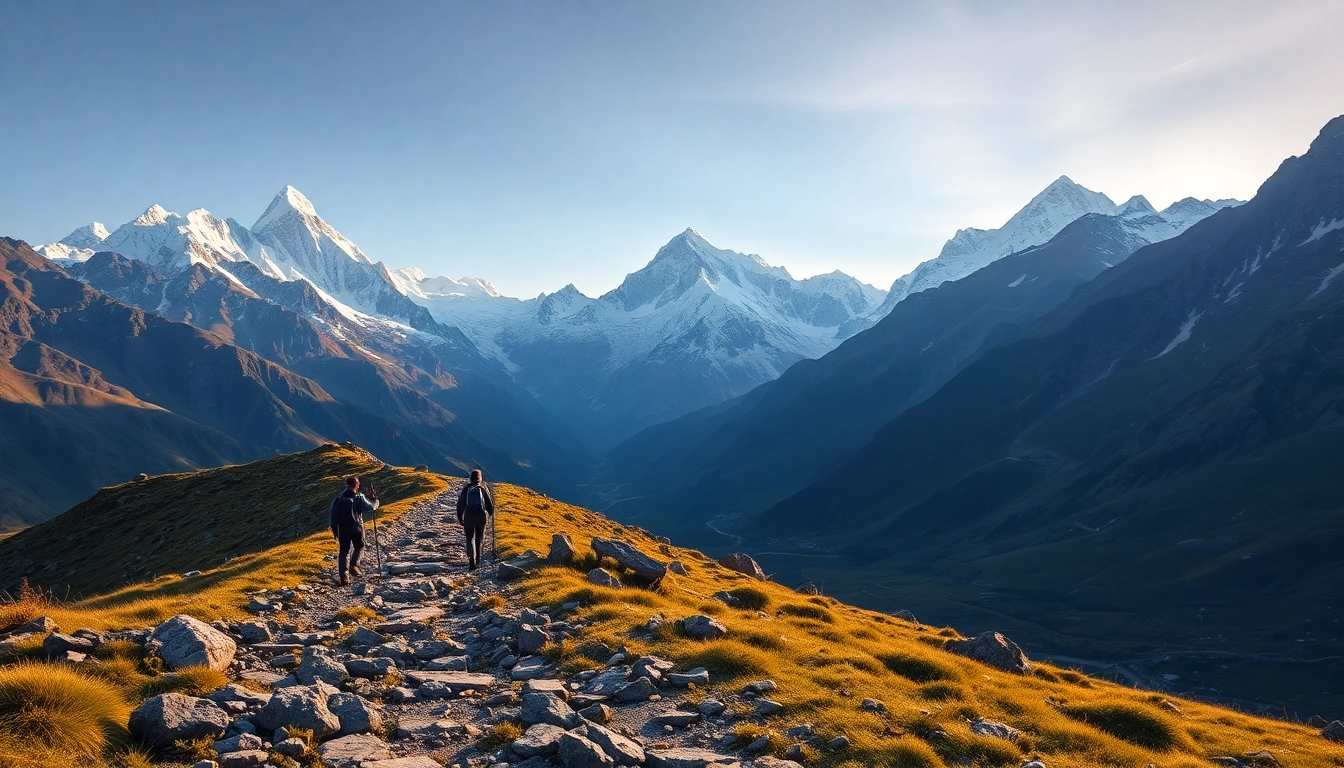
The goechala trek is an extraordinary adventure that beckons trekkers to the majestic heights of the Himalayas. Nestled in Sikkim, India, it presents not just a rigorous trek but a profound experience amidst nature's grandeur. With its panoramic views of the third-highest mountain in the world, Kanchenjunga, and its diverse ecosystems, the Goechala trek is a must for any adventure seeker.
Overview of Goechala Trek
Spanning approximately 90 kilometers, the Goechala trek is typically completed over an 11-day period, making it an excellent challenge for trekkers looking for both beauty and endurance. The trail begins from Yuksom, moving through lush forests, alpine meadows, and high-altitude glacial terrain, all the while providing breathtaking vistas of the snow-capped peaks that are an integral part of the Himalayan range. With rapid elevation gain and unpredictable weather, this trek demands respect and preparation.
Why Choose the Goechala Trek?
Trekkers are often drawn to the Goechala trek due to its incredible scenic beauty and the sense of accomplishment it imparts. One of the trek's standout features is the opportunity to witness a stunning array of mountain ranges, including not just Kanchenjunga, but 14 other prominent peaks. Furthermore, the cultural richness of the region, combined with the flora and fauna along the trail, enhances the trekking experience. The vibrant rhododendron trees that bloom in spring showcase nature's palette, drawing trekkers from around the globe.
Best Time to Trek
The ideal time for the Goechala trek is generally between late March and June, as well as in late September to mid-November. During these months, the weather tends to be stable, offering clear views and minimal rainfall. While summer provides warmer temperatures and lush landscapes, autumn rewards trekkers with crisp air and vibrant hues of the falling leaves. However, trekkers should be prepared for colder conditions, especially at higher altitudes.
Preparing for the Goechala Trek
Required Fitness Levels
Physical fitness is paramount for successfully completing the Goechala trek. The high altitude and rugged terrain can pose significant challenges, including steep ascents and descents. Potential trekkers should engage in endurance training prior to the trek, focusing on cardiovascular exercises such as running, cycling, and swimming. It is essential to build stamina to handle the rigors of long days on the trail, which typically involve 6-8 hours of trekking daily.
Essential Gear and Supplies
Equipping oneself with the right gear is crucial for a successful Goechala trek. Key items include:
- Footwear: Sturdy trekking boots that provide good ankle support are a must.
- Clothing: Dress in layers, including moisture-wicking base layers, insulated middle layers, and waterproof outer layers.
- Backpack: A comfortable, well-fitted backpack to carry personal items and necessities.
- Camping gear: Depending on the trek style (guided vs. self-paced), consider a sleeping bag rated for low temperatures and a lightweight tent.
- Hydration system: A good hydration bladder or water bottles for easy access to water on the trail.
- First-aid kit: Necessary medications, bandages, and blister treatment supplies for emergencies.
Guidelines for First Timers
For first-time trekkers, preparation is key. Several guidelines can enhance the trekking experience:
- Acclimatization: Allow time for your body to adapt to high altitudes, particularly after reaching significant elevations.
- Stay hydrated: Drink adequate amounts of water to maintain energy levels and mitigate altitude sickness.
- Trek with a guide: If unfamiliar with trekking, consider joining a guided tour for expertise and support.
- Respect nature: Leave no trace, and follow the principles of responsible trekking to preserve this pristine environment.
Itinerary and Important Routes
Day-by-Day Breakdown
The typical itinerary for the Goechala trek spans 11 days, allowing trekkers to experience the diversity of the terrain. A typical schedule could look like this:
- Day 1: Arrive in Yuksom, acclimatize, and prepare for the trek.
- Day 2: Trek from Yuksom to Sachen (10 km).
- Day 3: Trek from Sachen to Tshoka (7 km).
- Day 4: Trek from Tshoka to Dzongri (10 km) for acclimatization.
- Day 5: Rest day at Dzongri to prepare for the ascent.
- Day 6: Trek from Dzongri to Goecha La base camp (15 km).
- Day 7: Early morning trek to Goecha La (10 km round trip) for incredible views.
- Day 8: Return trek from Goecha La base camp to Tshoka.
- Day 9: Trek back from Tshoka to Sachen.
- Day 10: Return from Sachen to Yuksom.
- Day 11: Depart from Yuksom.
Major Attractions Along the Way
The Goechala trek boasts numerous natural and cultural highlights. Along the trail, you’ll encounter:
- Kanchenjunga National Park: Home to diverse flora and fauna, along with magnificent views of towering peaks.
- Dzongri Viewpoint: A spectacular vantage point that offers panoramic views of the Himalayas.
- Rhododendron Groves: Glistening with vibrant colors in spring, creating a fairy-tale environment.
- Tshoka Monastery: A serene spot for reflection, rich in local history and culture.
Alternative Routes and Options
For trekkers looking for different experiences, alternative routes exist. Some may prefer a shorter trek focusing on key attractions while still enjoying the stunning views and flora. These routes may involve starting from different entry points or orienting the hike around side-trips to other notable sites, such as the Singalila Ridge trek.
Challenges and Safety Tips
Common Trekking Challenges
While the Goechala trek is rewarding, it comes with its set of challenges. Some common issues include:
- Altitude sickness: Be vigilant about symptoms such as headaches and nausea. Acclimatization is vital.
- Weather variability: Conditions can change rapidly, leading to rain or snow. Be prepared with appropriate gear.
- Physical fatigue: Long trekking hours can lead to exhaustion. Pace yourself and take regular breaks.
Health and Safety Precautions
To ensure a successful and safe trek, keep the following precautions in mind:
- Check weather forecasts: Stay informed about the weather before and during your trek.
- Monitor symptoms of altitude sickness: Act immediately if you experience discomfort, and descend if necessary.
- Stay nourished and hydrated: Eating adequately and drinking water will enhance stamina and reduce the risk of fatigue.
Top Tips for a Successful Trek
To maximize your trekking experience, consider these expert insights:
- Travel light: Only bring essentials to minimize weight while maximizing comfort.
- Engage with locals: Immerse yourself in local culture, and gain insights into their way of life.
- Document your journey: Capture photographs and keep a journal to reflect on your unforgettable experience.
Frequently Asked Questions about Goechala Trek
How difficult is the Goechala trek?
The Goechala trek is classified as difficult due to high altitude and often steep terrain. Trekkers should possess good physical fitness to handle its challenges.
What is the cost associated with the Goechala trek?
The approximate cost of the Goechala trek varies based on the service provider, typically around ₹3000 for transport and services, excluding personal expenses.
How can I prepare for the Goechala trek?
To prepare physically, focus on cardio and strength training, while researching altitude sickness and packing appropriate gear for varying climates.
What should I pack for the Goechala trek?
Essential items include trekking boots, weatherproof clothing layers, hydration systems, a first-aid kit, and personal hygiene supplies.
When is the best time to undertake the Goechala trek?
The ideal months for the Goechala trek are typically late March to June and late September to mid-November for stable weather and vibrant landscapes.