






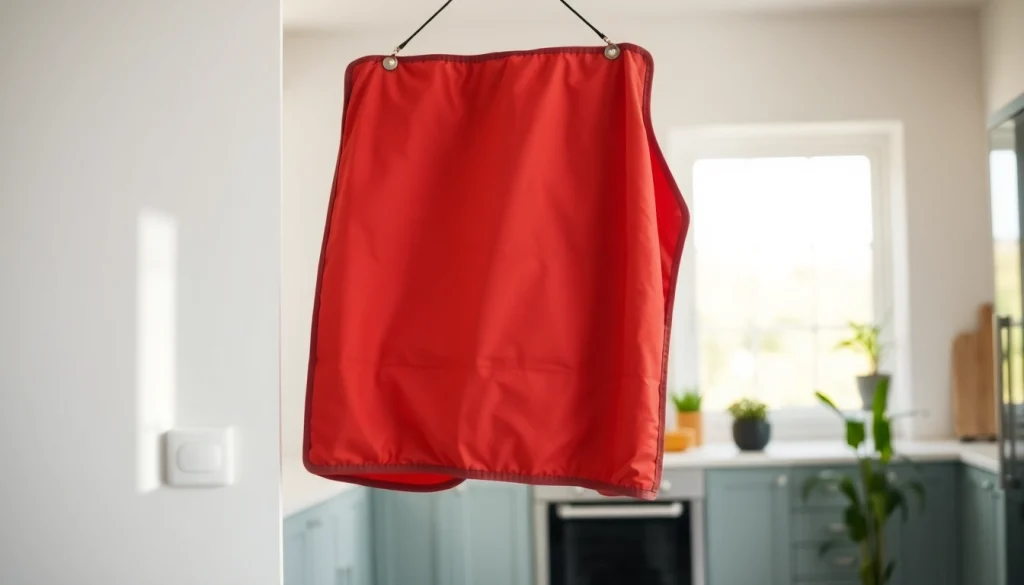
Understanding Fire Blankets: What They Are and How They Work
Definition and Purpose of a Fire Blanket
A fire blanket is a vital component of fire safety equipment designed to extinguish small fires, particularly those involving flammable liquids or cooking materials. Made from fire-resistant materials, such as fiberglass, a fire blanket suffocates the flames by cutting off the oxygen supply, making it an essential tool for quickly addressing fire emergencies before they escalate.
The primary purpose of a fire blanket is to provide a simple yet effective means of fire suppression. Unlike fire extinguishers, which require some degree of knowledge for operation, deploying a fire blanket is typically straightforward, making it accessible to individuals with varying levels of fire safety training. Fire blankets are especially useful in settings where fires may break out unexpectedly, such as kitchens, workshops, and residential homes.
Applications and Use Cases for Fire Blankets
Fire blankets are versatile and can be used in numerous scenarios:
- Domestic Kitchens: Grease fires are common in kitchens, and a fire blanket can effectively tackle such fires without splattering flaming oil.
- Camping and Outdoor Activities: Portable fire blankets are perfect for outdoor enthusiasts who may encounter accidental fires when cooking or using campfires.
- Industrial Workplaces: In manufacturing and construction sites, fire blankets serve as precautionary measures against fires triggered by flammable materials.
- Healthcare Facilities: Hospitals and clinics can benefit from readily available fire blankets to manage unexpected fire outbreaks swiftly.
As fire safety awareness grows, the applications of fire blankets continue to expand, and their role in emergency preparedness becomes more recognized.
How Fire Blankets Compare to Other Fire Safety Equipment
When it comes to fire safety, a variety of tools are available, including fire extinguishers, smoke detectors, and fire alarms. However, fire blankets serve a unique purpose that differentiates them from other equipment:
- Ease of Use: Unlike extinguishers that may require training, fire blankets can be deployed quickly and easily by anyone.
- Space Efficiency: Fire blankets take up less space than traditional fire extinguishers, making them suitable for compact areas.
- Specific Applications: While extinguishers are generally useful for a wider range of fire types, fire blankets are particularly effective for small fires and fabric fires.
In summary, fire blankets complement other fire safety equipment by providing a swift, easy-to-use option for extinguishing localized fires, especially in high-risk environments.
Choosing the Right Fire Blanket for Your Needs
Key Features to Look For in a Fire Blanket
Choosing the right fire blanket involves considering several key features that impact its effectiveness:
- Material Quality: High-quality fiberglass is the most recommended material, as it has excellent thermal resistance and durability.
- Size Matters: Availability in various sizes caters to different fire scenarios; larger blankets are ideal for big flames, while smaller ones work well for controlled environments.
- Ease of Deployment: A fire blanket should be designed for quick and effortless access, preferably packaged in a quick-release container.
- Temperature Resistance: Fire blankets should withstand high temperatures (ideally up to 900°C or approximately 1650°F) for effective use.
By focusing on these features, you can ensure that the fire blanket you choose is effective and reliable when it’s needed most.
Different Types of Fire Blankets Explained
Fire blankets come in various types tailored for specific applications:
- Cooking Fire Blankets: Specifically designed for kitchen use, these blankets are often made from specialized materials that are especially effective against grease fires.
- Camping Fire Blankets: Lightweight and portable, these blankets are convenient for outdoor use and often feature water-resistant properties.
- Industrial Fire Blankets: Heavy-duty fire blankets made for industrial applications feature reinforced edges to withstand frequent use and harsh conditions.
Understanding the different types will help you select the most effective option for your specific needs.
Fire Blanket Sizes: What’s Best for Your Space?
Fire blankets are available in a range of sizes, and selecting the appropriate size is crucial:
- Small (Approximately 1.2 m x 1.2 m): Suitable for common kitchen fires or small flames.
- Medium (Approximately 1.8 m x 1.2 m): A versatile choice for residential settings, ideal for both kitchens and living areas.
- Large (Approximately 2.4 m x 1.8 m): Recommended for commercial or industrial spaces where larger fires may occur.
Consider your space and potential fire hazards to choose the best size for your fire blanket, ensuring it provides adequate coverage during an emergency.
Proper Installation and Location of Fire Blankets
Recommended Placement for Maximum Effectiveness
Strategic placement of fire blankets is essential for quick access and effectiveness:
- Kitchens: Hang a fire blanket near the stove, above the countertop, for immediate access during cooking.
- Workshops or Garages: Place fire blankets near machinery or areas where flammable materials are stored to minimize response time.
- Camping: Keep a fire blanket readily accessible in your camping gear or cooking area to manage accidental fires.
Proper placement ensures that everyone can quickly locate and use the fire blanket when needed, reducing response times significantly during emergencies.
Installation Guidelines and Tips
Installing your fire blanket requires a few careful considerations:
- Height and Accessibility: Ensure the blanket is positioned within reach, ideally at an eye level to make it easier to grab in emergencies.
- Clear Surroundings: Keep the area around the fire blanket free of clutter to facilitate rapid access.
- Secure Mounting: Follow the manufacturer’s guidelines to securely fasten the fire blanket to the wall or storage space to prevent accidental dislodging.
By adhering to these guidelines, you can enhance the safety and reliability of your fire blanket during emergencies.
Common Mistakes to Avoid When Installing Fire Blankets
While installation may appear straightforward, common mistakes can undermine the blanket’s effectiveness:
- Ignoring the Manufacturer’s Instructions: Always refer to the product guidelines for the best installation practices to ensure safety and reliability.
- Choosing Inaccessible Locations: Avoid placing fire blankets in hard-to-reach places or obstructed areas.
- Neglecting Regular Checks: Failing to check the condition of the fire blanket over time can lead to deterioration and compromised effectiveness.
Being aware of these pitfalls can help you ensure that your fire blanket remains ready to use when needed.
How to Use a Fire Blanket Effectively
Step-by-Step Guide to Deploying a Fire Blanket
Understanding how to use a fire blanket effectively is essential for safety:
- Stay Calm: Ensure that you are safe from hazards and remain calm to manage the situation effectively.
- Remove the Blanket: Pull the fire blanket from its holder, ensuring you grab it by the corners or tabs to avoid burns.
- Cover the Fire: Gently place the blanket over the flames, ensuring it covers the fire completely.
- Extinguish the Flames: Leave the blanket in place for several minutes to cut off the oxygen supply, extinguishing the flames.
- Call for Help: After deploying the fire blanket, call emergency services if the fire does not subside or if it poses a threat to anyone’s safety.
Following these steps ensures that you can effectively and safely manage small fires with a fire blanket.
Best Practices for Fire Blanket Maintenance
Maintaining your fire blanket is crucial for its long-term effectiveness:
- Regular Inspections: Check the fire blanket periodically for any signs of damage, such as tears or burns, and replace it as necessary.
- Keep It Clean: Avoid exposing it to excessive dirt, grease, or harmful substances that could impact its effectiveness.
- Storage Conditions: Store it in a cool, dry place, away from direct sunlight, to prevent degradation of materials.
Proper maintenance of fire blankets will ensure that they remain functional and reliable in emergency situations.
When Not to Use a Fire Blanket: Important Considerations
While fire blankets are effective for certain types of fires, they are not suitable for all situations:
- Large Fires: For fires that cannot be easily contained, such as those that have spread beyond the immediate area or involve electrical equipment, a fire blanket may not be effective.
- Involving Flammable Gases: If the fire involves flammable gases, do not attempt to smother it with a fire blanket, as this can compound the danger.
- When You’re in Danger: If smoke is overwhelming or flames are too intense, prioritize your safety by evacuating and calling emergency services instead.
Being aware of these considerations can guide you in making the safest and most effective decisions during fire emergencies.
Emergency Preparedness: Enhancing Home Safety with Fire Blankets
Creating a Comprehensive Fire Safety Plan
Having a well-thought-out fire safety plan is essential for every household. This plan should include:
- Exit Routes: Clearly marked escape routes enable family members to exit quickly and safely during an emergency.
- Meeting Points: Designate a safe meeting place outside the home where everyone should gather after evacuating.
- Regular Drills: Practice fire drills regularly to ensure that everyone knows the procedure and feels comfortable acting quickly.
Integrating fire blankets into this plan strengthens overall fire preparedness.
Incorporating Fire Blankets into Your Home Safety Kit
Every household should have a safety kit that includes a fire blanket:
- Identifying the Best Locations: Place fire blankets near high-risk areas like the kitchen and other potentially hazardous zones.
- Accessibility: Ensure that all family members know the location and how to use the fire blanket effectively.
- Supplementary Equipment: Complement your fire blanket with other fire safety gear, such as smoke detectors and fire extinguishers, for a comprehensive approach.
Incorporating fire blankets into your safety kit helps create a holistic approach to fire safety in your home.
Educating Family Members About Fire Safety
Education is a crucial aspect of emergency preparedness:
- Family Training: Teach family members about the risks of fire and the proper use of fire blankets and other fire safety equipment.
- Simulation Drills: Conduct fake fire drills that involve using the fire blanket to familiarize everyone with deployment techniques.
- Open Discussions: Encourage family members to ask questions and express concerns about fire safety, fostering an environment of awareness.
By investing time in educating your family about fire safety, you empower them to act confidently and calmly in crisis situations. Fire blankets, as simple as they may seem, play a pivotal role in ensuring safety when fire hazards arise.