



Understanding Yoga Mudras
Definition and Origins
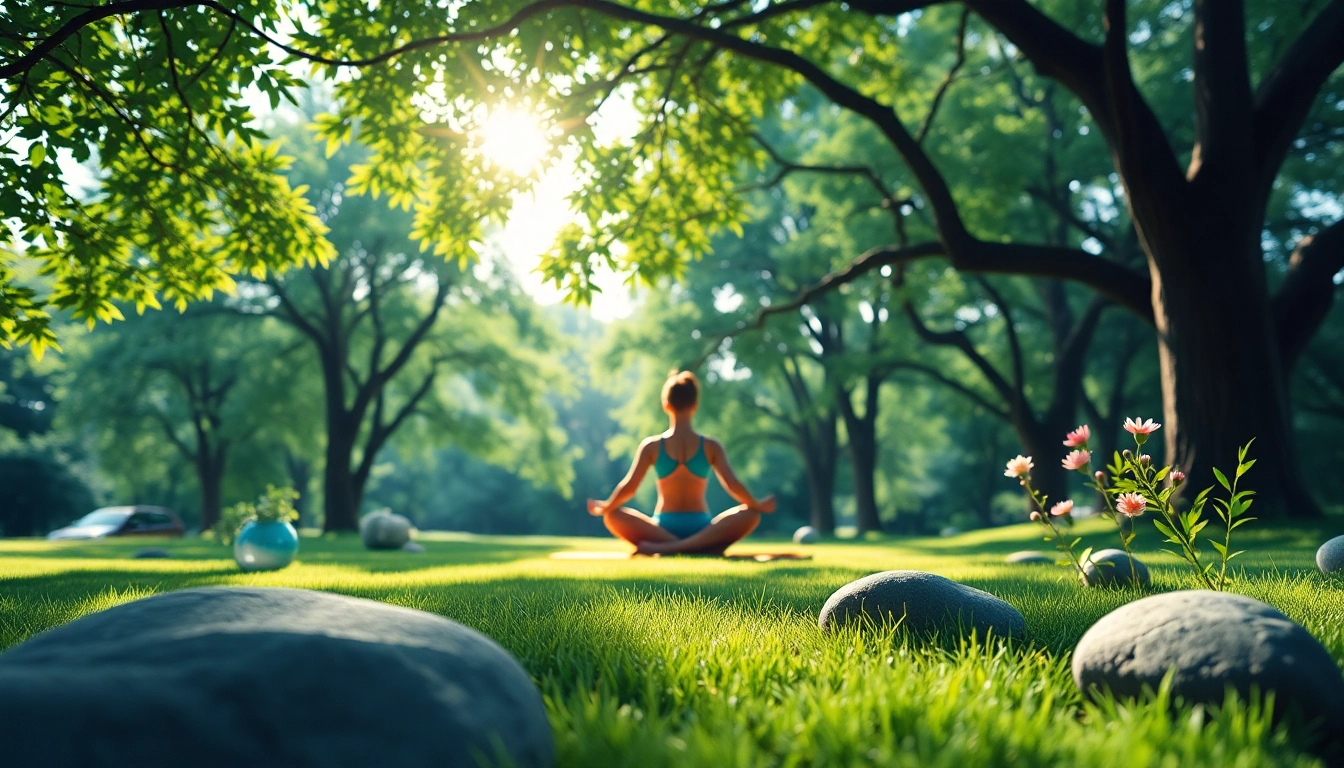
Yoga Mudras are symbolic hand gestures used throughout yoga and meditation practices. The term “mudra” derives from the Sanskrit word meaning “seal” or “gesture.” These gestures encapsulate various energetic and spiritual meanings, channeling energy flows within the body and enhancing mental clarity. Originating from ancient Indian traditions, mudras were historically employed by yogis as a means of connecting with the divine and elevating consciousness. They are used not only in yoga asanas but also in meditative practices, serving as visual symbols to direct energy toward specific intentions, whether that be grounding, healing, or enlightenment.
Key Types of Yoga Mudras
Yoga Mudras can broadly be classified into hand gestures and body postures. Each mudra has a specific purpose and can elicit various mental and physical responses:
- Hasta Mudras: These are hand gestures that control the flow of energy in the body, improving focus and meditation.
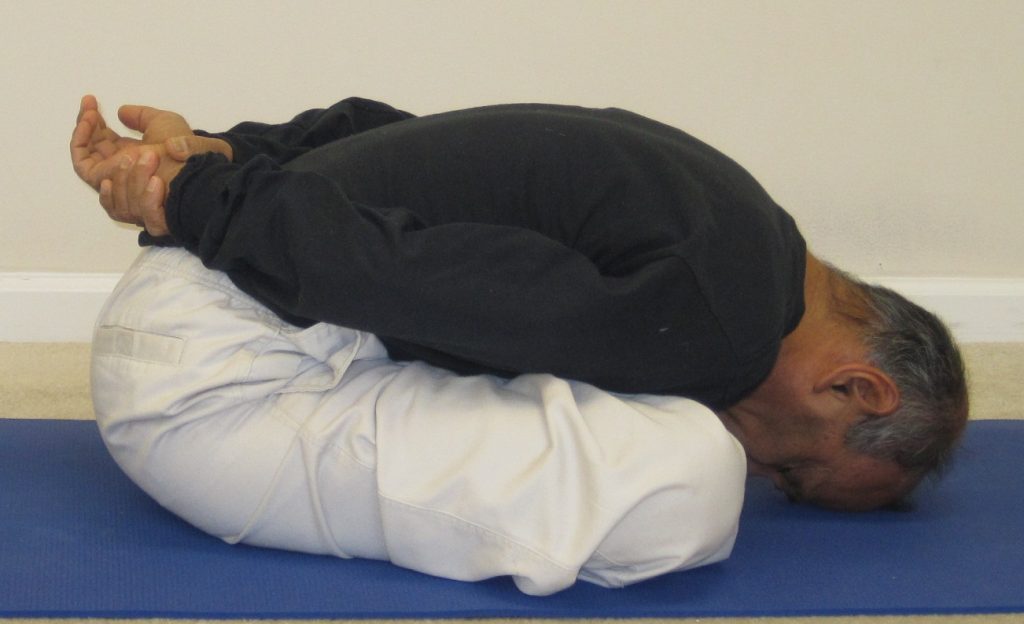
- Asana Mudras: Involves entire body positions and is often combined with breathing techniques.
- Chin Mudras: Used to enhance spiritual awareness and stabilizing breath.
- Bandha Mudras: Contractions in specific areas of the body, commonly used in pranayama practices.
Importance in Yoga Practice
Incorporating Yoga Mudras into your practice can significantly augment physical postures and meditation. They enhance the energy flow and deepen focus, creating a more profound sense of wellbeing. Additionally, they can help signify key moments in practice, provide a moment of pause, or serve as reminders of one’s goals or intentions.
Benefits of Yoga Mudras
Enhancing Mental Clarity
One of the primary benefits of practicing Yoga Mudras is the enhancement of mental clarity. By directing energy flow through specific gestures, practitioners can minimize distractions and promote a focused mindset. Technical movements, like the Yoga Mudras, activate brain regions responsible for attention and cognition, aiding in improved concentration and decision-making.
Boosting Physical Well-Being
Yoga Mudras also contribute to physical health. By stimulating various energy points, they can harmonize bodily functions and enhance health outcomes. For instance, the Prithvi Mudra, which promotes grounding, is believed to boost stamina and stability, while the Surya Mudra can invigorate energy levels and support metabolic functions.
Spiritual Significance
From a spiritual standpoint, Yoga Mudras serve as a means to connect deeply with one’s inner self and the universe. They help align the body’s energies with spiritual intentions, creating space for meditation and reflection. Practicing specific mudras can raise vibrations and encourage a greater connection to one’s spiritual path, embodying the notion that the physical form can be a channel for spiritual energy.
How to Practice Yoga Mudras Effectively
Choosing the Right Mudra
Selecting the appropriate mudra is essential for maximizing benefits. Consider your individual goals—whether it’s enhancing focus, calming the mind, or channeling energy. Research different mudras to identify the one that resonates with your current needs. There’s no one-size-fits-all approach; personal experience and intuition should guide your selection.
Integrating Mudras into Your Routine
To effectively integrate Yoga Mudras into your routine, allocate specific times during your day. You can practice them while meditating, during yoga sessions, or even while commuting. Start with simple mudras for short durations, gradually increasing their use as you grow more comfortable. Pairing mudras with breathing techniques can further enhance their effectiveness.
Common Mistakes to Avoid
While practicing Yoga Mudras, avoid the following common mistakes:
- Neglecting Comfort: Ensure that you are in a comfortable position, allowing for relaxation.
- Overexertion: Avoid holding mudras for prolonged periods initially; start slowly and gauge your comfort.
- Distraction: Find a still and quiet environment free from distractions to deepen your practice.
- Incorrect Placement: Ensure hand placements are correct to effectively channel energy.
Popular Yoga Mudras and Their Uses
Gyan Mudra for Knowledge
The Gyan Mudra, formed by connecting the thumb and index finger while extending the other three fingers, is renowned for enhancing concentration and wisdom. Commonly used during meditation, it helps stimulate the root chakra, enabling clarity of thought and promoting a deeper understanding of self and the universe.
Prithvi Mudra for Grounding
Prithvi Mudra, executed by joining the tips of the ring finger and thumb, encourages grounding and stability. It is particularly beneficial for those seeking to increase their connection to the earth and improve overall health, as it aids in balancing the body’s elements and boosting vitality.
Varuna Mudra for Hydration
The Varuna Mudra involves touching the thumb and little finger together and is associated with water and hydration. Practicing this mudra can help retain bodily fluids, improve skin health, and support emotional balance by alleviating feelings of dryness or emotional desolation.
Frequently Asked Questions about Yoga Mudras
What are Yoga Mudras?
Yoga Mudras are symbolic hand gestures used in yoga and meditation practices to direct energy, enhance focus, and promote mental clarity. They hold spiritual and physical significance, helping practitioners connect more deeply with their practice.
Can anyone practice Yoga Mudras?
Yes, Yoga Mudras can be practiced by anyone, regardless of age or experience level. They can easily be integrated into daily routines to enhance both physical and mental well-being.
How do Yoga Mudras impact meditation?
Yoga Mudras enhance meditation by improving focus and promoting mental clarity. They create a deeper connection to intentions and calm the mind, facilitating a more enriching meditative experience.
Are there any risks in practicing Yoga Mudras?
When practiced correctly, Yoga Mudras are safe. However, individuals should listen to their body and ensure they are comfortable. Consulting with a teacher during initial practice can help avoid any issues.
How long should I hold each Yoga Mudra?
Begin by holding each Yoga Mudra for 5 to 10 minutes. As you become more comfortable, you can gradually extend the duration to suit your needs and experience level.